





Some error occured while loading the Quick View. Please close the Quick View and try reloading the page.
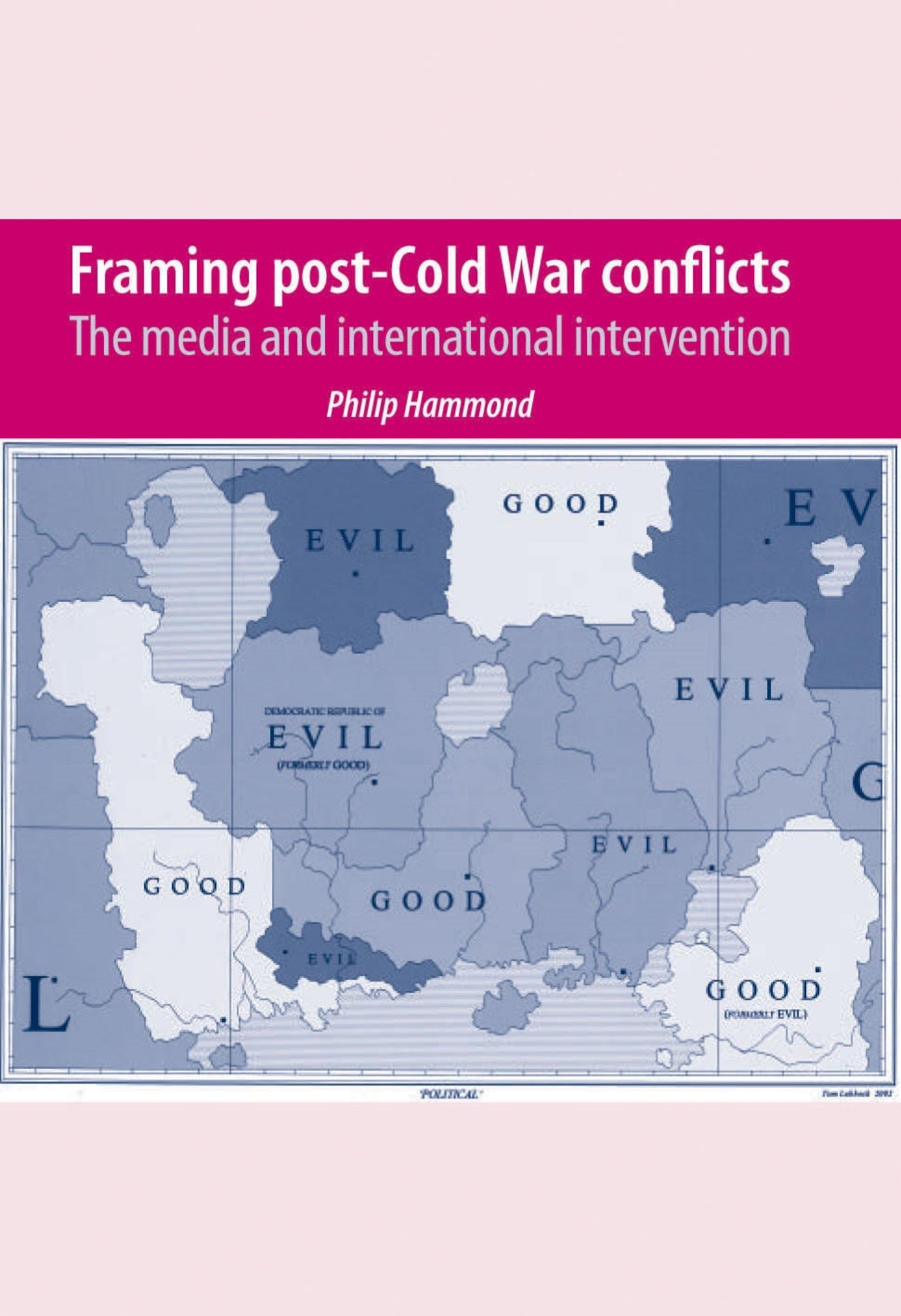
Since the end of the Cold War there have been many competing ideas about how to explain contemporary conflicts, and about how the West should respond to them. This study examines how the media interpret conflicts and international interventions, testing the sometimes contradictory claims that have been made about recent coverage of war.
Framing post-Cold War conflicts takes a comparative approach, examining UK press coverage across six different crises. Through detailed analysis of news content, it seeks to identify the dominant themes in explaining the post-Cold War international order, and to discover how far the patterns established prior to 11 September 2001 have subsequently changed. Based on extensive original research, the book includes case studies of two ‘humanitarian military interventions’ (in Somalia and Kosovo), two instances where Western governments were condemned for not intervening enough (Bosnia and Rwanda), and the post-9/11 interventions in Afghanistan and Iraq.


Acknowledgements
Tables and charts
1. Introduction: post-Cold War conflicts and the media
2. Somalia, 1992–94
3. Bosnia, 1992–95
4. Rwanda, 1994
5. Kosovo, 1999
6. Afghanistan, 2001
7. Iraq, 2003
8. Conclusions: framing post-Cold War conflicts
Notes
References
Index