





Some error occured while loading the Quick View. Please close the Quick View and try reloading the page.
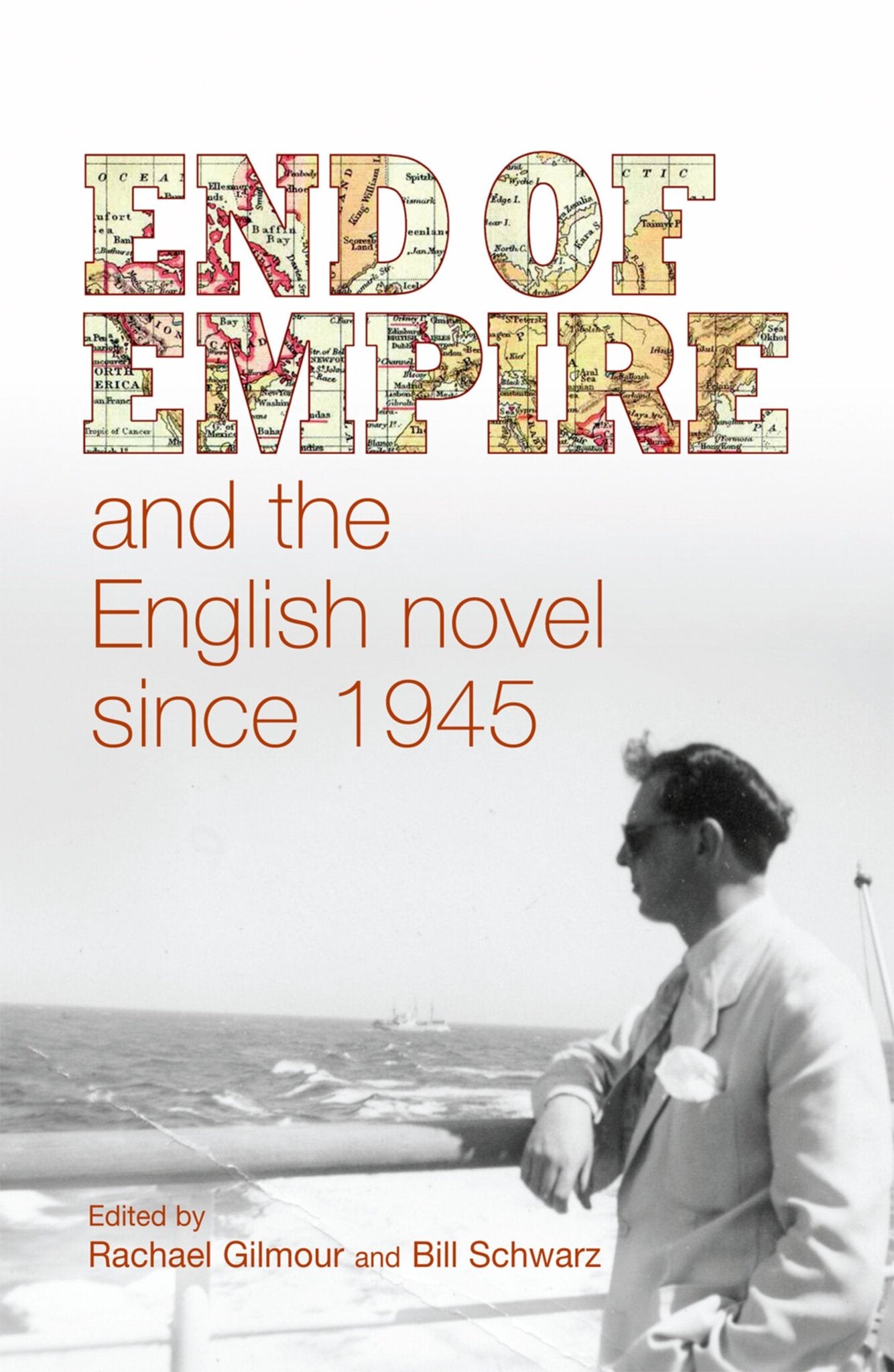
Available in paperback for the first time, this first book-length study explores the history of postwar England during the end of empire through a reading of novels which appeared at the time, moving from George Orwell and William Golding to Penelope Lively, Alan Hollinghurst and Ian McEwan. Particular genres are also discussed, including the family saga, travel writing, detective fiction and popular romances.
All included reflect on the predicament of an England which no longer lies at the centre of imperial power, arriving at a fascinating diversity of conclusions about the meaning and consequences of the end of empire and the privileged location of the novel for discussing what decolonization meant for the domestic English population of the metropole.
The book is written in an easy style, unburdened by large sections of abstract reflection. It endeavours to bring alive in a new way the traditions of the English novel.


Acknowledgements
Contributors
Introduction: end of empire and the English novel (Bill Schwarz)
1. The road to Airstrip One: Anglo-American attitudes in the English fiction of mid-century (Patrick Parrinder)
2. Josephine Tey and her descendants: conservative modernity and the female crime novel (Cora Kaplan)
3. Colonial fiction for liberal readers: John Masters and the Savage family saga’ (Richard Steadman-Jones)
4. The entropy of Englishness: reading empire’s absence in the novels of William Golding (Rachael Gilmour)
5. The empire of romance: love in a postcolonial climate (Deborah Philips)
6. Passage from Kinjanja to Pimlico: William Boyd’s comedy of imperial decline (Michael L. Ross)
7. Unlearning empire: Penelope Lively’s Moon Tiger (Huw Marsh)
8. I am not the British Isles on two legs’: travel fiction and travelling fiction from D.H. Lawrence to Tim Parks (Suzanne Hobson)
9. Queer histories and postcolonial intimacies in Alan Hollinghurst’s The Line of Beauty (Sarah Brophy)
10. The return of the native: Pat Barker, David Peace and the regional novel after empire (James Procter)
11. Saturday’s enlightenment (David Alderson)
Afterword (Elleke Boehmer)