Skip to product information
1 of 1

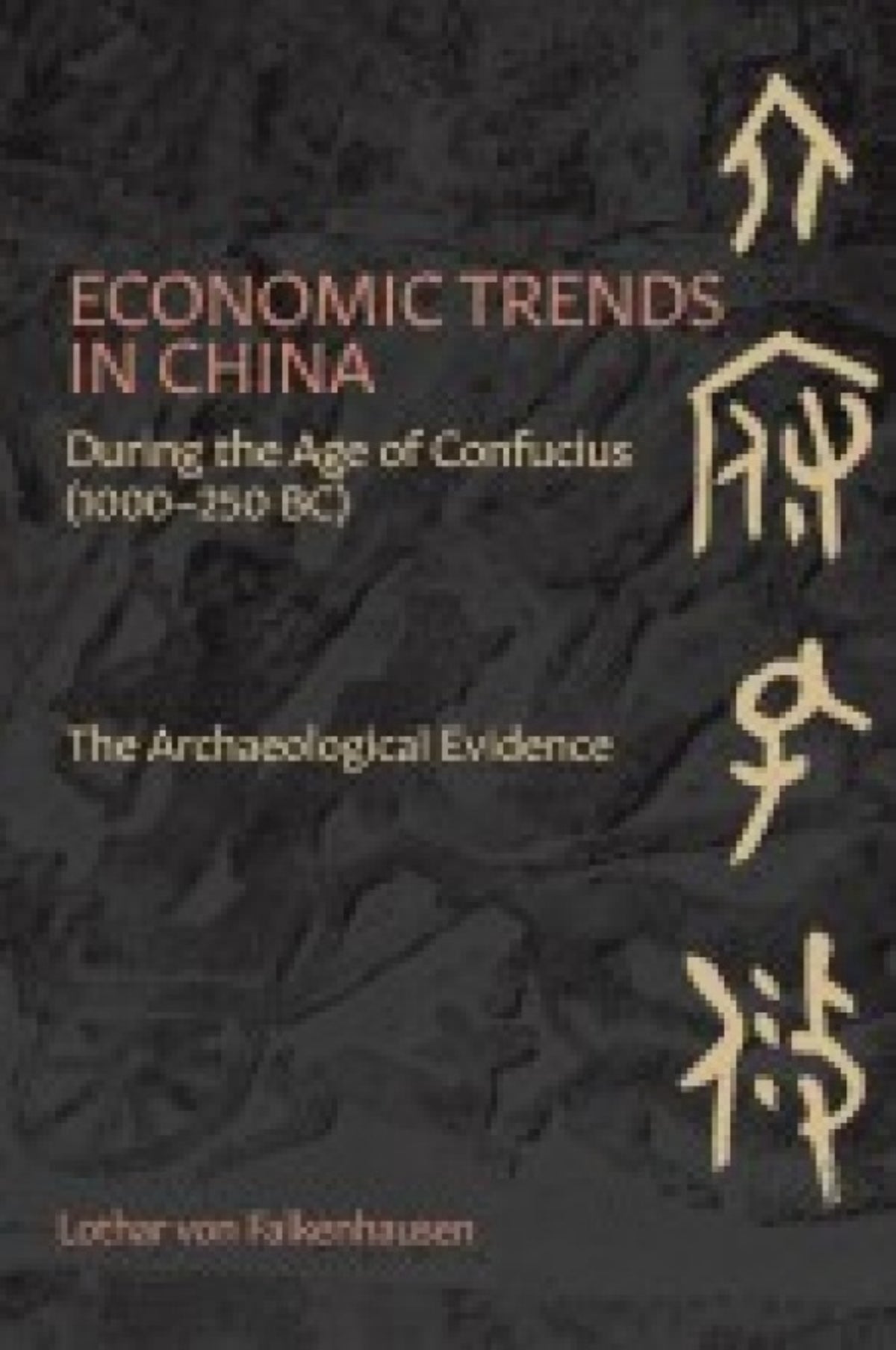
Economic Trends in China During the Age of Confucius (1000-250 BC)

Regular price £79.50
Sale price £79.50 Regular price £79.50
Sale Sold out
About the middle of the first millennium BC, continental East Asia saw the rise of a market economy in which an urban culture developed. The following centuries were a time of unprecedented economic florescence. This...
Read More
  • Format:
  • 31 December 2026
View Product Details
About the middle of the first millennium BC, continental East Asia saw the rise of a market economy in which a metallic currency was beginning to play an important role. The following centuries were a time of unprecedented economic florescence. Technological innovations and intensification in the rural sector enabled significant demographic growth: the number of cities multiplied, and as their function morphed from elite ceremonial centres to densely populated hubs of mass-production and trade, a new urban culture came into being. Rather than depending on an individuals descent and kinship, social divisions were now mainly wealth-based, and the pervasive use of writing enabled new intellectual breakthroughs.

Complementing relevant textual studies, this book surveys the currently available archaeological evidence of this transformation, tracing its preliminary stages back to the beginning of the first millennium BC and following its development down to the onset of China’s imperial age.

files/i.png Icon
Price: £79.50
Pages: 816
Publisher: Cotsen Institute of Archaeology Press
Imprint: Cotsen Institute of Archaeology Press
Series: Ideas, Debates, and Perspectives
Publication Date: 31 December 2026
ISBN: 9781950446797
Format: Hardcover
BISACs:

HISTORY / Asia / China, Archaeology by period / region, HISTORY / Ancient / General, SOCIAL SCIENCE / Archaeology, Ancient history, Asian history

REVIEWS Icon

Introduction
Part I: The Rural Economy
Introduction to Part I
Chapter 1: The Expansion of Rural Settlement
Chapter 2: Villages and Their Surroundings
Chapter 3: Agricultural Technology and the “Iron Revolution”
Conclusions to Part I
Part II: The Urban Economy
Introduction to Part II
Chapter 4: The Changing Urban Landscape
Chapter 5: The Expanding Economic Role of Cities
Chapter 6: From a Redistributive Economy to a Market Economy
Chapter 7: Mass Production and Quality Control
Chapter 8: Epigraphic Perspectives on Craft Production
Chapter 9: Consumer Perspectives
Conclusion to Part II
Part III: Transregional Economy
Introduction to Part III
Chapter 10: Inland and Coastal Salt Production
Chapter 11: Copper Mining and Smelting along the Middle Yangzi River
Chapter 12: Stoneware Production in the Southeastern Coastal Region
Conclusions to Part III
General Conclusions