





Some error occured while loading the Quick View. Please close the Quick View and try reloading the page.
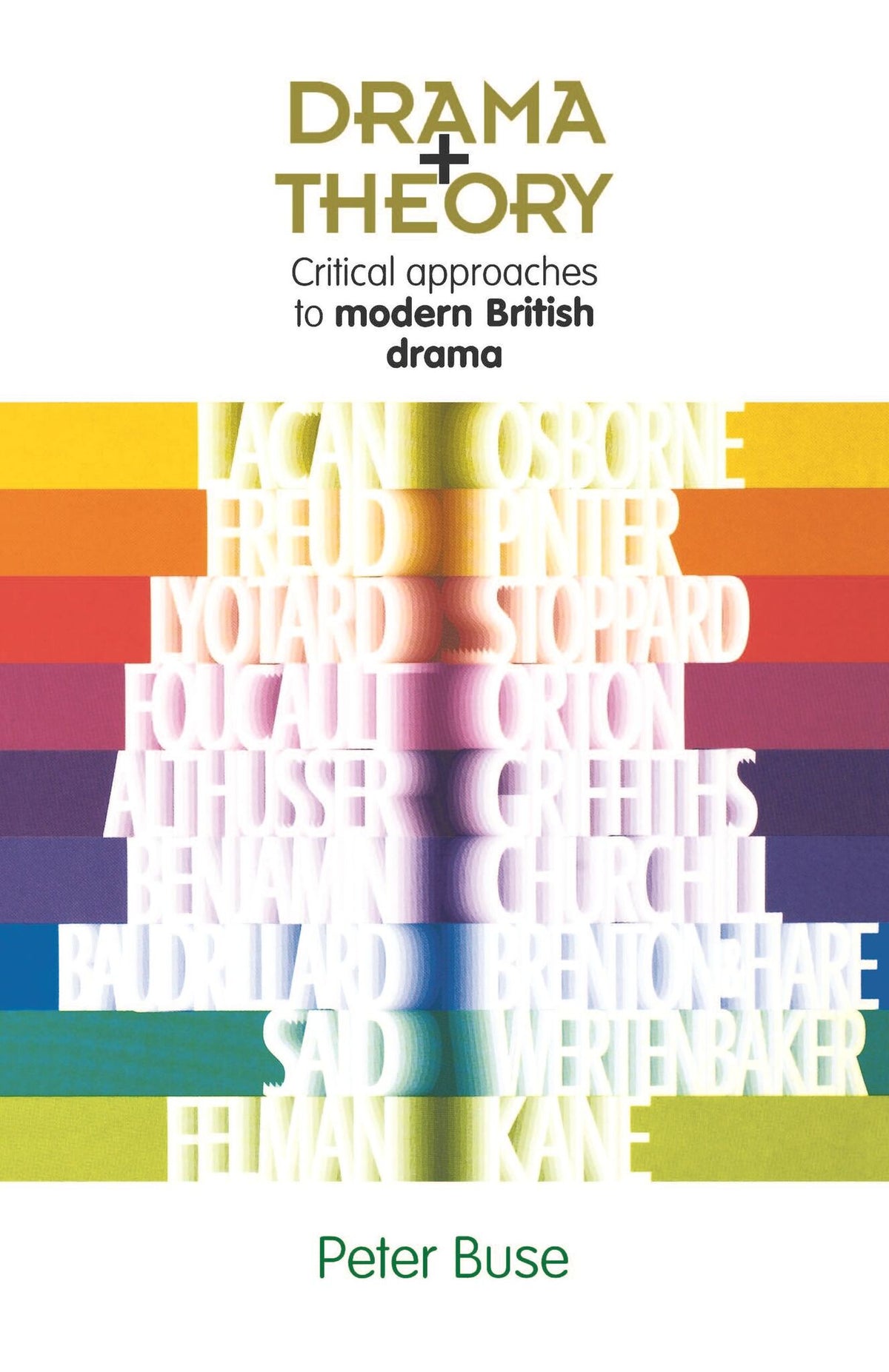
Energetically places modern British drama and contemporary critical and cultural theory in dialogue, demonstrating how theory allows fresh insights into familiar plays. Each chapter pairs a well-known play from the post-war period with a classic theory text, the theoretical text is not simply applied to the dramatic one: instead, the play and the theoretical text reflect on each other in a mutual illumination. Examples include:
So Look Back in Anger is read by and reads Lacan’s Signification of the Phallus
Pinter’s The Homecoming is made uncanny with Freud
Stoppard’s Rosencrantz and Guildenstern are Dead finds affinities with Lyotard’s The Postmodern Condition
Timberlake Wertenbaker’s Our Country’s Good agrees and disagrees with Edward Said
Sarah Kane’s Blasted thinks through trauma with Shoshana Felman. In each case, the theoretical position is explained lucidly and economically. The result is a series of new interpretations not only of the plays, but of the theoretical texts, which take on new relevance when linked with modern British drama. The first textbook of its kind, linking contemporary drama with critical and cultural theory.


Introduction
1. What does Jimmy Porter want?: Osborne with Lacan
2. Home front: Pinter with Freud
3. Hamlet games: Stoppard with Lyotard
4. Before Orton, after Foucault
5. Jokes and their relation to interpellation: Griffiths with Althusser
6. Towards a citational history: Churchill with Benjamin
7. Simulacra on Fleet Street: Pravda with Baudrillard
8. Culture and colonies: Wertenbaker with Said
9. Trauma and testimony in Blasted: Kane with Felman
Bibliography