





Some error occured while loading the Quick View. Please close the Quick View and try reloading the page.
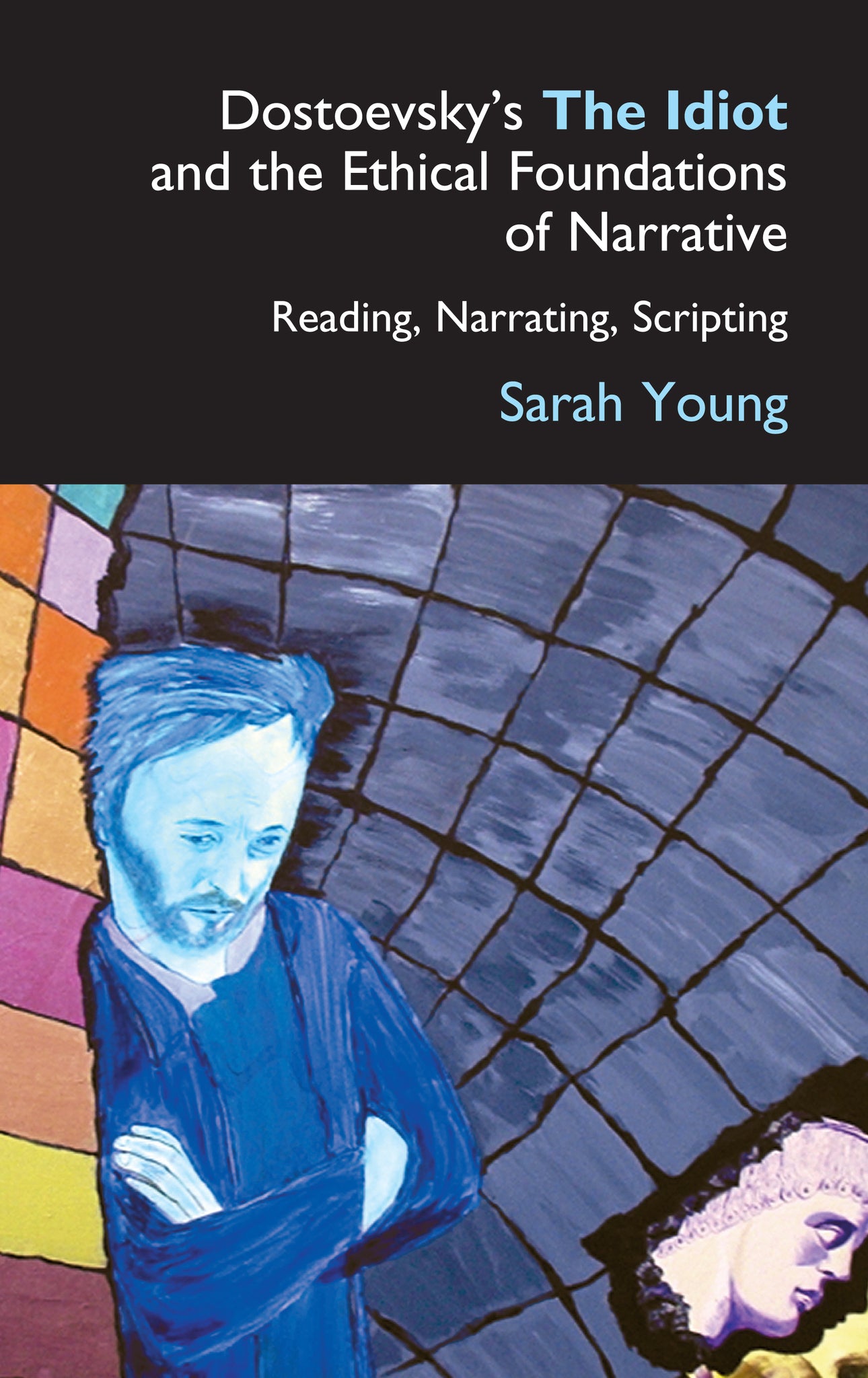
In considering Dostoevsky's 'The Idiot', a novel less easily defined in terms of plot and ideas than his other major fictional works, Sarah Young addresses problems in the novel unresolved by previous interpretations, and in doing so fills a significant gap in Dostoevsky studies. 'Dostoevsky's The Idiot and the Ethical Foundations of Narrative' provides an innovative theoretical framework for an analysis that integrates structural and narratological considerations with thematic (religious and ethical) aspects, by focusing on the characters' interactivity as the most fundamental level on which the ethical systems of the novel are enacted. It examines the questions of what ethical bases are put forward by the novel, what faith-issues and philosophical world-views they derive from, and how, in terms of structuring and narration rather than simply thematically, they are presented in the novel.


Sarah Young is a Leverhulme Special Research Fellow in the Department of Russian and Slavonic Studies at the University of Nottingham, UK.
Acknowledgements; A Note on Transliterations and Translations; Introduction; I. Reading The Idiot: The Hero and Other Problems; II. Interactive Narrating in the Idiot: The Scripting Impulse; 1. The Disappearing Heroine; I. Creating the Heroine: Rogozhin's Story; II. Nastas'ia Filippovnas's Lie: The Struggle Against Objectification; III. The Heroine Appears: Two Skandaly; IV. The Heroine Disappears: Control and Interpretation; V. Confrontation and Reverberation; VI. Freedom and Necessity: The Ideological Heroine; 2. Compassionate Realism and the Principles of Saintly Scripting; 1. The Foundations of Myshkin's Script in Narrative; II. The Foundations of Myshkin's Script in Action; III. The Foundations of Myshkin's Script in Experience; IV. Rocking the Foundations; 3. Self and other in Dostoevsky's Aesthetic Activity; I. Ippolit and the Other; II. Time, Narration and the Other; III. The Narrator's Novel; IV: Challenging the Narrator's Novel; Conclusion; Abbreviations; Notes; Bibliography