





Some error occured while loading the Quick View. Please close the Quick View and try reloading the page.
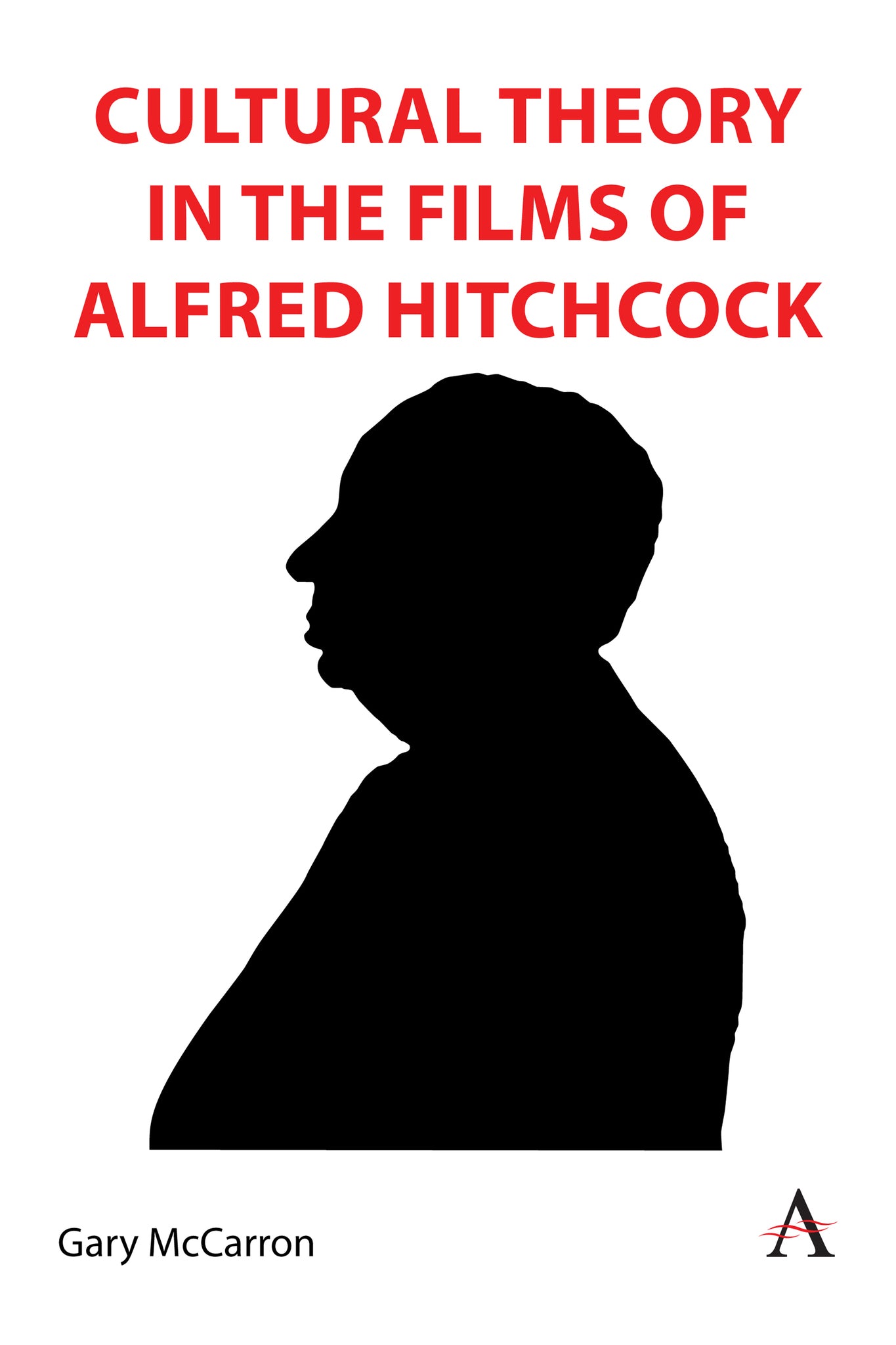
This book is neither biography nor a conventional film critique. Rather, the text explores aspects of Hitchcock’s work in relation to theories drawn from the social sciences and philosophy. The various chapters focus not on specific films, but on broader ideas central to Hitchcock’s work. There is, for instance, a chapter on his idea of the MacGuffin in which I use Ernesto Laclau’s theories of equivalent substitution to explain how the MacGuffin functions in Hitchcock’s works. There is also a chapter on his notion of ‘pure cinema’ which moves from the idea of purity as an anthropological concept to consider purity in relation to current debates regarding so-called hybrid media, and Hitchcock’s relevance to these issues in respect of his dissatisfaction with the advent of sound to the cinema world. Broadly speaking, the book uses Hitchcock’s films to illustrate ideas in the social sciences and philosophy and uses those same ideas to illustrate aspects of Hitchcock’s films.


“Gary McCarron uses an impressively broad range of theoretical frameworks to tease out hitherto-overlooked meanings, implications, and ramifications of selected Hitchcock movies. These complementary essays add up to a prismatic account of Hitchcock’s work and a stimulating excursion into varied philosophical and sociological territory.” — David Sterritt, Editor-in-Chief, Quarterly Review of Film and Video
Acknowledgements; Introduction: Re-viewing Hitchcock’s Films; 1.The Incidental MacGuffin: Equivalence and Substitution; 2.The Myth of Ideal Form and Hitchcock’s Quest for Pure Cinema; 3.Ambiguity and Complexity in The Birds; 4.Telling the Truth and The Wrong/ed Man; 5.Alfred Hitchcock’s Blackmail and the Problem of Moral Agency; 6.Hitchcock’s Debt to Silence: Time and Space in The Lodger; 7.Hitchcock’s Deferred Dénouement and the Problem of Rhetorical Form; 8.Moralizing Uncertainty: Suspicion and Faith in Hitchcock’s; Suspicion; Index