





Some error occured while loading the Quick View. Please close the Quick View and try reloading the page.
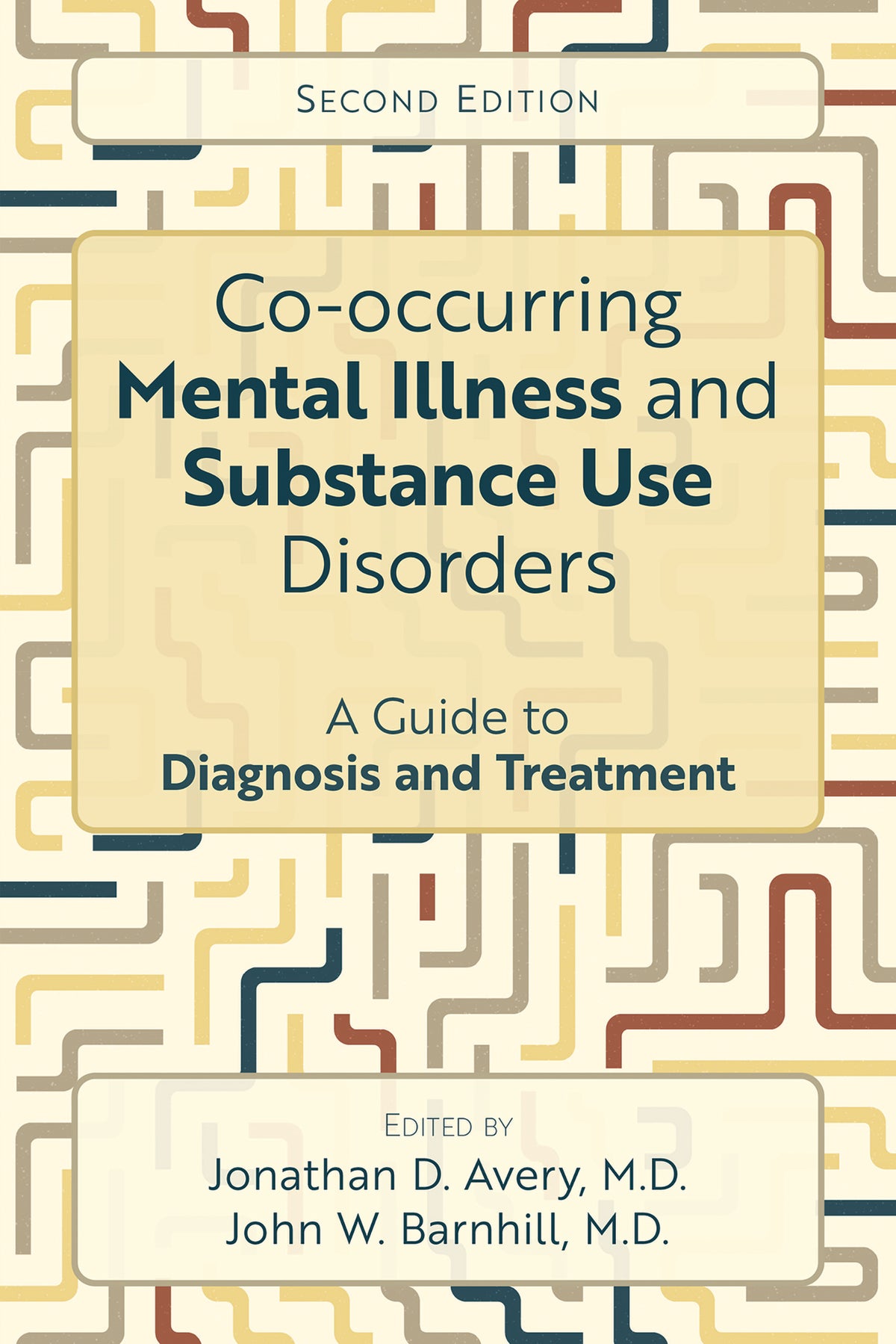
Co-occurring disorders (CODs) are both common and frequently missed in clinical practice. According to the 2023 National Survey on Drug Use and Health, 35% of U.S. adults ages 18 and older with another mental disorder also have a substance use disorder[EG1.1], yet these intertwined conditions remain underdiagnosed and undertreated.
Now in its second edition, Co-occurring Mental Illness and Substance Use Disorders: A Guide to Diagnosis and Treatment delivers a practical, evidence-based roadmap for clinicians who assess and treat individuals with CODs. This fully updated edition emphasizes comprehensive assessment, integrated treatment planning, and the coordinated use of multiple therapeutic approaches. It also expands the book's scope with five new chapters covering internet gaming disorder, psychosocial treatments, family supports, women and pregnancy, and underserved populations, making this edition even more relevant to the realities of contemporary practice.
Building on the strengths of the first edition, the volume is organized into four clear sections:
• Assessment of CODs, which describes the initial interview and carrying out a comprehensive biopsychosocial assessment
• Diagnosis of conditions that include depressive and anxiety disorders, personality disorders, and eating disorders
• Treatments, from 12-step programs and motivational interviewing to pharmacological interventions
• Working with special populations, including adolescents, LGBTQ+ communities, and incarcerated individuals
Throughout the book, each chapter is grounded in a clinical case that brings key concepts to life and reinforces real-world application. Each chapter includes questions to test readers' comprehension, with answers and explanations provided in the appendix. The result is more than a reference text: it is a hands-on resource that helps clinicians improve diagnostic accuracy, create more effective treatment plans, and address psychiatric and substance use conditions together rather than in isolation.
With its strong emphasis on clinician-patient interactions, practical guidance, and exceptional depth, this guide equips professionals to deliver more confident, comprehensive care—ultimately improving outcomes for patients.


Jonathan D. Avery, M.D., is Assistant Clinical Professor of Psychiatry and Assistant Dean of Student Affairs at Weill Cornell Medical College. He is also Assistant Attending Psychiatrist at New York-Presbyterian Hospital's Payne Whitney Clinic in New York, New York.
John W. Barnhill, M.D., is Professor of Clinical Psychiatry, DeWitt Wallace Senior Scholar, and Vice Chair for Psychosomatic Medicine in the Department of Psychiatry at Weill Cornell Medical College. He is also Chief of the Consultation-Liaison Service at New York-Presbyterian Hospital and Weill Cornell Medical Center Hospital for Special Surgery in New York, New York.
Introduction
Part I: Assessments of Co-Occurring Disorders
1. The Initial Interview
2. Comprehensive Assessment
Part II: Substance Use Disorders And Co-Occurring Psychiatric Disorders
3. Depressive Disorders and Bipolar Disorders
4. Anxiety Disorders
5. Post-Traumatic Stress Disorder
6. Psychotic Disorders
7. Personality Disorders
8. ADHD
9. Eating disorders
10. Gambling Disorder
11. Internet Gaming Disorder
Part III: Specific Treatments for Co-Occurring Disorders
12. 12-Step Programs
13. Motivational Interviewing
14. Psychosocial Treatments
15. Family Supports
16. Intensive Treatment of Co-Occurring Disorders
17. Pharmacologic Interventions
Part IV: Special Populations
18. Adolescence
19. Geriatrics
20. Women and Pregnancy
21. Underserved Populations
22. LGBTQ
23. Incarceration
Answer Guide