





Some error occured while loading the Quick View. Please close the Quick View and try reloading the page.
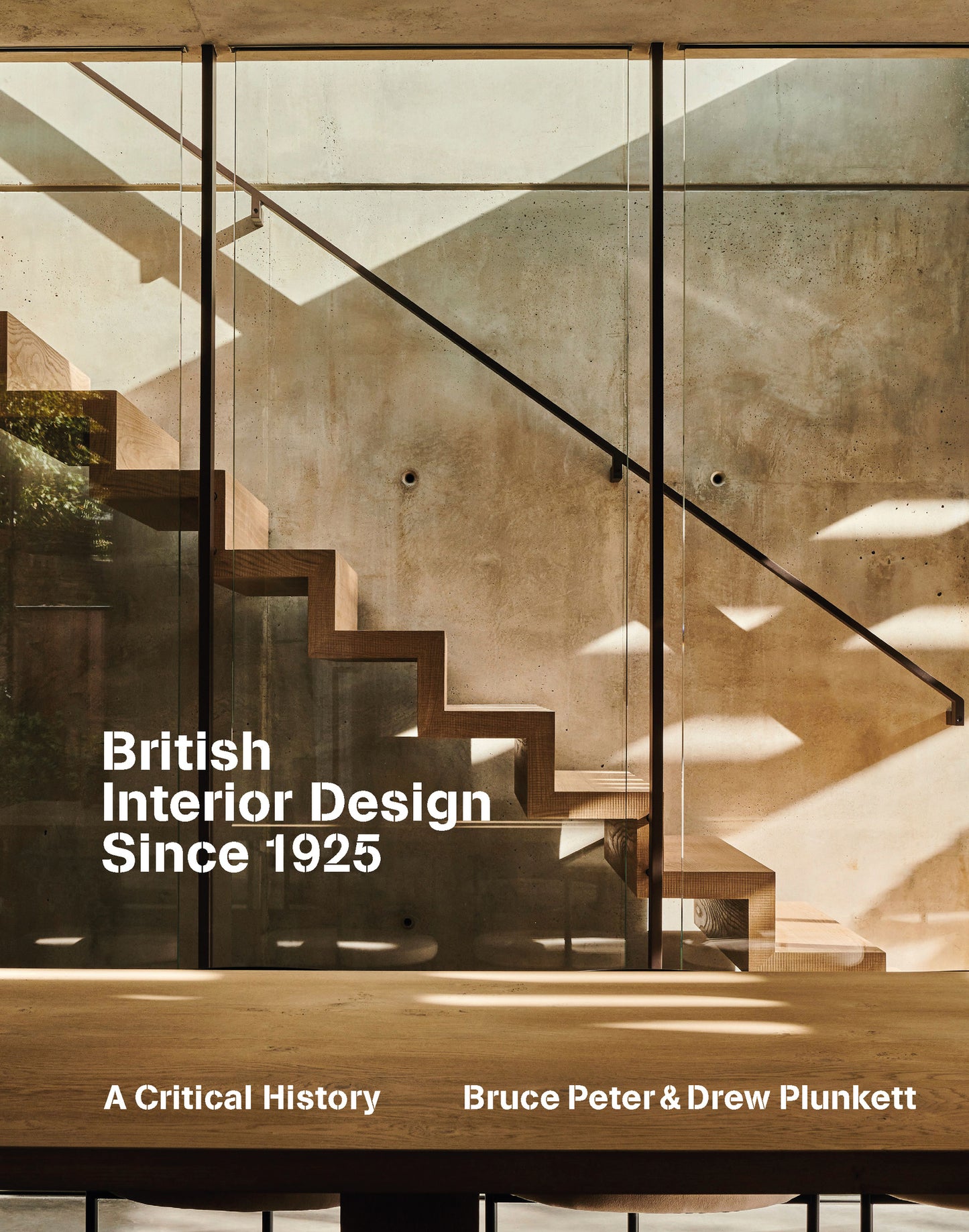
After the First World War, Interior Design emerged in Britain as a distinctive profession, one that used fresh eyes and imagination to transform edifices old and new into environments that satisfied aesthetic appetites and enhanced the experiences of those who used them. This is the first critical account of the history of Interior Design in Britain, one that is distinct from that of Architecture, and which gives the profession a sense of its own identity. Set within the social, cultural, economic and political contexts which exercised and shaped creative imaginations across the 20th century, the book examines both interior design (principally commercial projects) and interior decoration (principally domestic projects).
In contrast to 20th-century architecture, which often imposed its philosophy onto its clients, interior design and decoration were more responsive to the nuances and rapid changes of popular taste. Interiors therefore moved at a much faster pace, from the elegant Art Deco of the Savoy and Claridge's hotels, to the modernist interiors of the 1950s such as the Royal Festival Hall, to retail work in the 1980s for the likes of Joseph and Next, to clubs and restaurants in the 1990s such as the Atlantic Bar and Grill, and concluding with 21st-century offices and domestic interiors.


'This makes it a useful reference book for those working in retail, hospitality and office design, and its emphasis on commercial projects offers architects valuable insight into the kinds of spaces where collaboration with interior designers is most critical.' – Leo Wood, Building Design Online
Introduction: British interiors and design debates before 1920; 1. After the Paris Exposition: the first Art Deco interiors in London’s West End; 2. Un-domestic domesticity: homes and lifestyles of a shifting establishment; 3. Ocean liner style: grandeur and modernity afloat; 4. High street populism: jazz moderne and streamform for retail and entertainment; 5. Moving On; 6. Subversion and regression; 7. Edifices Crumble; 8. Anarchy in the UK; 9. White seemed right; 10. Richer mixes; 11. Recession and resuscitation; 12. Digitising and sustaining