





Some error occured while loading the Quick View. Please close the Quick View and try reloading the page.
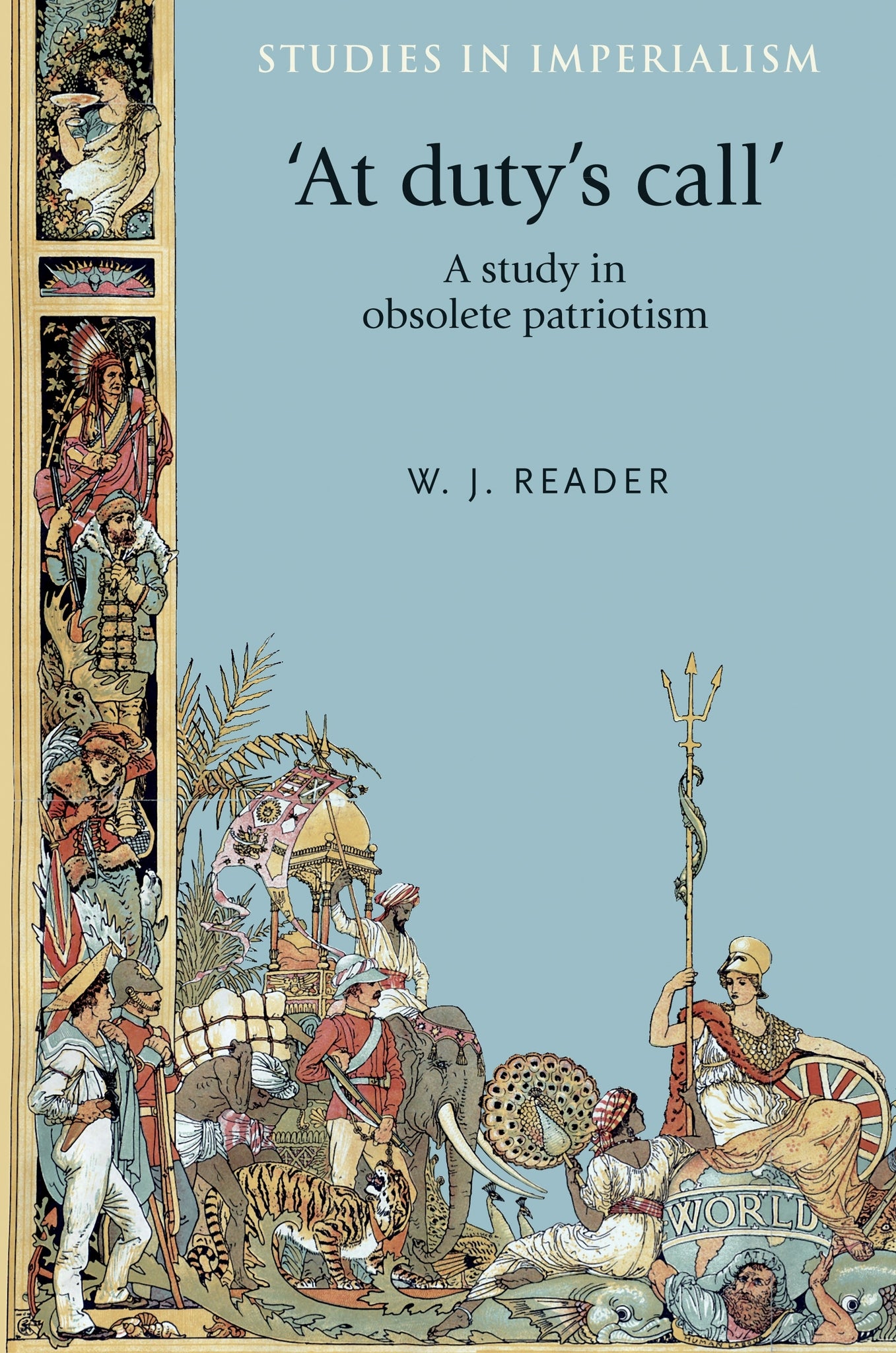
The Victorian private solider was a despised figure. A working man had to be desperate indeed to take the Queen’s shilling. Yet in the first sixteen months of the Great War two and a half million men from the UK and many more from the empire, flocked to the colours – without any form of legal compulsion. There had never been a volunteer army like it.
What was in the air of England in the generation or so before 1914 to bring about such collective exultation? How did it come about that, in a society which – in oft-proclaimed contrast to Germany – rejected conscription and prided itself on having no taint of militarism, men could be induced to volunteer in such numbers? The nation’s general state of mind, system of values and set of attitudes derived largely from the upper middle class, which had emerged and become dominant during the nineteenth century. The book examines the phenomenon of 1914 and the views held by people of that class, since it was under their leadership that the country went to war.


Foreword
1. ‘Their name liveth for evermore’
2. On war: Clausewitz, Darwin, Henty and others
3. The British Empire: ‘Dominion over palm and pine’
4. Germany rising
5. The temples of the faith: ‘the best school of all’
6. Voluntary enlistment 1914-15: ‘Your country needs YOU!’
7. ‘The old lie…?’
Bibliography
Index