





Some error occured while loading the Quick View. Please close the Quick View and try reloading the page.
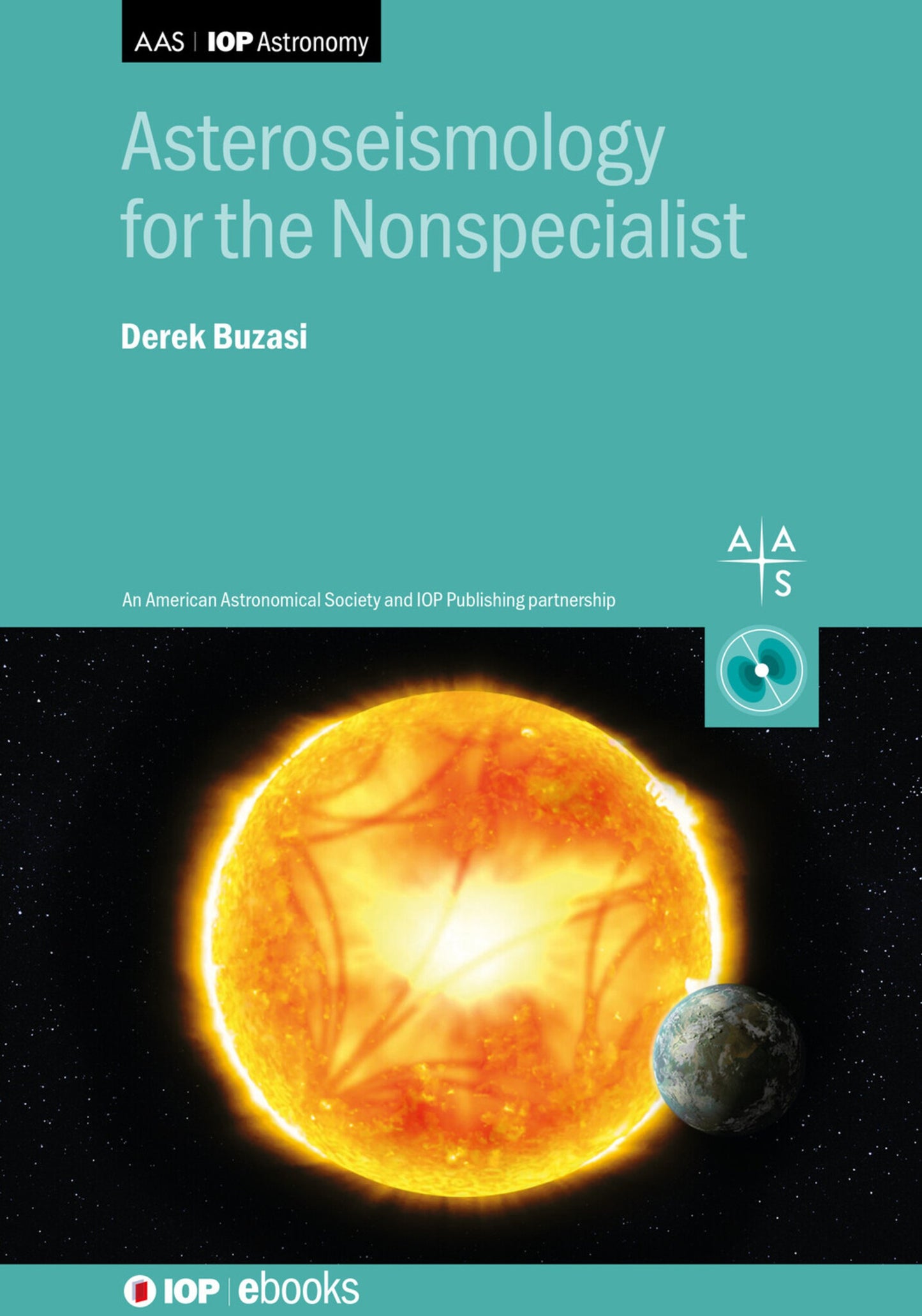
This book outlines the physics behind stellar oscillations and the information they encode about stellar structure, and summarizes the current state of the art in the field. It also describes commonly-used data reduction and analysis techniques and tools for asteroseismology, and discusses the uncertainties and limitations of both oscillation frequency measurements and the physical parameters derived from them. An introduction to some advanced topics, such as measurements of rotation and magnetic fields, is also included. The focus of the book is on the successful application, use, and physical interpretation of asteroseismology by nonspecialists in the field. It is aimed at professional and future professional astronomers at all levels from advanced undergraduate on up.
Key Features:
-
First book aimed at astronomers who wish to use asteroseismic analyses without being specialists in the area
-
Emphasises the understanding, use and interpretation of asteroseismic results
-
Can be used a basic introduction to asteroseismology for advanced undergraduate or beginning graduate students


- A Brief Review of Stellar Structure and Evolution
- An Observational Perspective
- The Physics of Stellar Oscillations
- Data Reduction Tools And Techniques
- Data Analysis Tools And Techniques
- From Frequencies to Physics: Basic Topics
- Uncertainties and Limitations
- From Frequencies to Physics: An Introduction to Advanced Topics