





Some error occured while loading the Quick View. Please close the Quick View and try reloading the page.
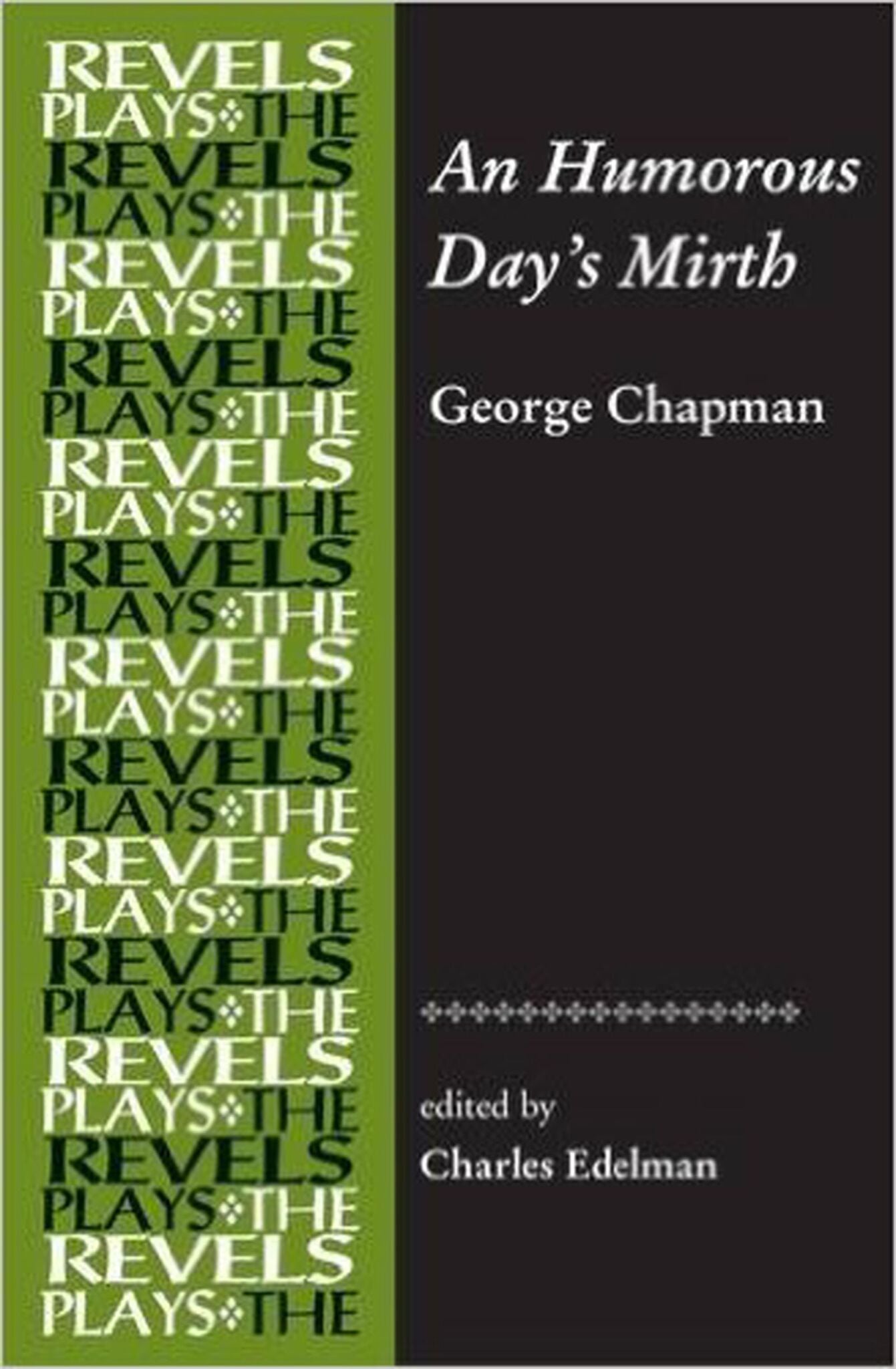
George Chapman is known today as a translator of Homer and as the author of dark tragedies such as Bussy D'Ambois. An Humorous Day's Mirth was one of the most popular plays of the Elizabethan era. Not only was it the Rose Theatre's greatest box-office success of 1597, it also presented an entirely new type of comedy, one that has profoundly influenced comic writing up to the present day.
This play is the English theatre's first 'comedy of humours', in which the attitudes, behaviour, and social pretensions of contemporary men and women are satirised. Charles Edelman's is the first fully annotated, modern spelling edition of this long-neglected play. In his extensive introduction and commentary, Edelman discusses the intellectual, philosophical and theatrical background, and shows that the play would delight the readers and audiences of today as much as those in 1597.


General editors' preface
Editions and Textual Studies Collated, in Chronological Order
Editions of Early Modern Dramatic Works cited in Commentary
Other Primary Works Cited in Commentary
Secondary Works Cited in Commentary
Abbreviations: Notes and collation
Introduction
The Rose’s New Hit
A Typical London Day
The Philosophy of Mirth
The Four Humours
The Humours and the soul
Melancholy
A Comedy of Manners
From Page to Stage
The Text
Conclusion
An Humorous Day's Mirth
Appendix: Dowsecer's Defence of Cosmetics (7.00-00)