





Some error occured while loading the Quick View. Please close the Quick View and try reloading the page.
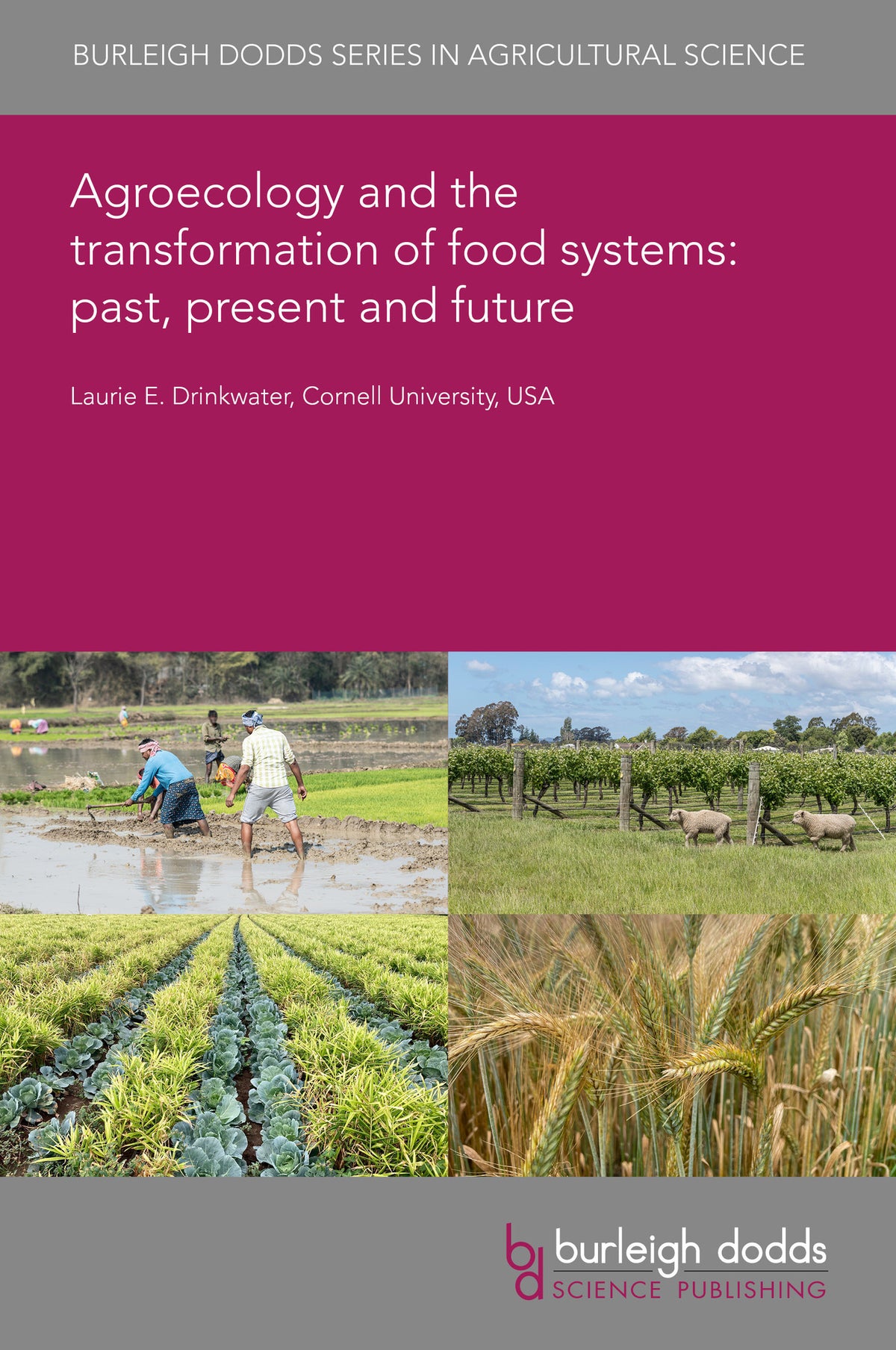
Agroecology lies at the food-environment-society nexus and is a transformational alternative to industrial food systems. Agroecology has expanded its focus from ecological agricultural systems to a broader food-systems perspective, integrating diverse knowledge systems to achieve sustainable, ecologically-sound, and socially-just food systems. As such, it draws on fields across the social and natural sciences concerned with sustainability transitions as well as on farmer and Indigenous knowledge systems. This chapter traces the evolution of agroecology and examines the systemic features of the dominant food regime that perpetuate simplified farming systems, thereby blocking the application of ecological knowledge in farming and the development of more sustainable production systems. The final section of the chapter discusses the progression of inclusive co-production efforts, which have long been a hallmark of agroecological work, starting with farmer-centered efforts geared towards improving farming systems and progressing to complex, multilevel co-production projects targeting institutions, markets, and policy decision-making.


- 1 Introduction
- 2 The evolution of agroecology
- 3 Agroecology: what does the science say?
- 4 Competing paradigms: entrenched simplification versus diversification
- 5 What is the outlook for transitioning to agroecological food systems?
- 6 Conclusion
- 7 Where to look for further information
- 8 References