





Some error occured while loading the Quick View. Please close the Quick View and try reloading the page.
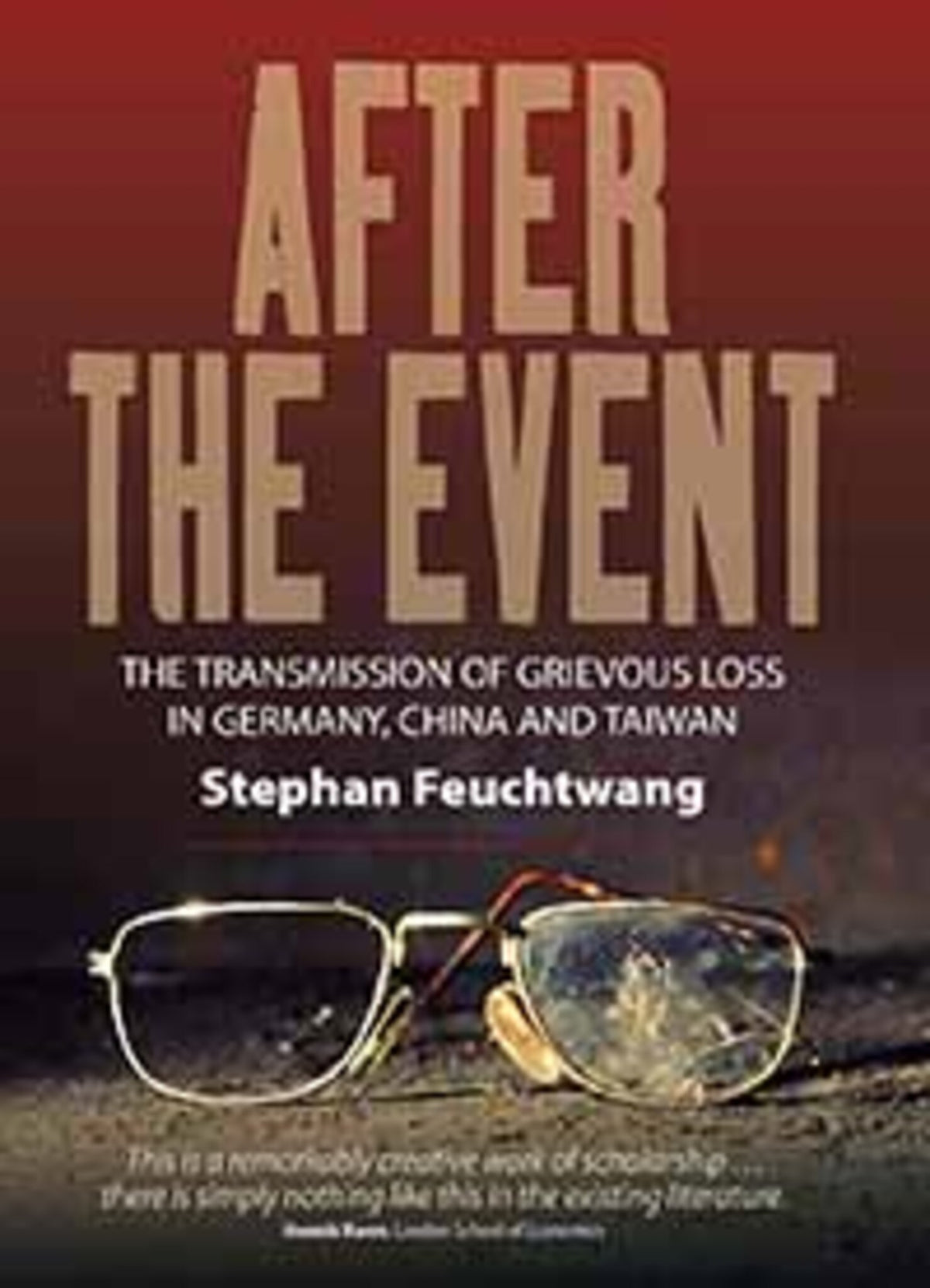
Two of the most destructive moments of state violence in the twentieth century occurred in Europe between 1933 and 1945 and in China between 1959 and 1961 (the Great Leap famine). This is the first book to bring the two histories together in order to examine their differences and to understand if there are any similar processes of transmission at work. The author expertly ties in the Taiwanese civil war between Nationalists and Communists, which included the White Terror from 1947 to 1987, a less well-known but equally revealing part of twentieth-century history. Personal and family stories are told, often in the individual’s own words, and then compared with the public accounts of the same events as found in official histories, commemorations, school textbooks and other forms of public memory. The author presents innovative and constructive criticisms of social memory theories in order to make sense both of what happened and how what happened is transmitted.


"This is a remarkably creative work of scholarship. The stories told in it are at once personal and analytical, local and transnational, empirical and imaginative; the horizon of comparison these stories cover is both unusual and original. The result is a creative combination of intimate historical knowledge and comparative historical narratives, acute observations of historical forces and moving accounts of victims of historical injustice – there is simply nothing like this in the existing literature." · Heonik Kwon, London School of Economics
"This work is eloquently and unpretentiously written. It is based on solid scholarship and interesting, intelligent, and sometimes very moving interpretation." · Michael Lambek, University of Toronto
Chapter 1. Introduction: Transmitting loss
Chapter 2. Comparing the incomparable: the Third Reich and the Great Leap famine
Chapter 3. ‘Communism’ in Mainland China and Taiwan
PART I: THE GREAT LEAP FAMINE
Chapter 4. Moral and political dilemmas from the Great Leap Famine
Chapter 5. Implicit transmission: the generation gap after the Great Leap famine
PART II: THE LUKU INCIDENT OF THE WHITE TERROR
Chapter 6. Disruption, commemoration and family repair in Taiwan
Chapter 7. Gesture and monument in a tourist landscape: the generation gap in Taiwan
PART III: THE THIRD REICH
Chapter 8. Acknowledgement of the Third Reich in post-war Germany
Chapter 9. Disruption, commemoration and family repair: some Jewish German families
Chapter 10. Recalling the Third Reich and the Holocaust after two generations: some German German families
CONCLUSION
Chapter 11. Beyond bad death
References