





Some error occured while loading the Quick View. Please close the Quick View and try reloading the page.
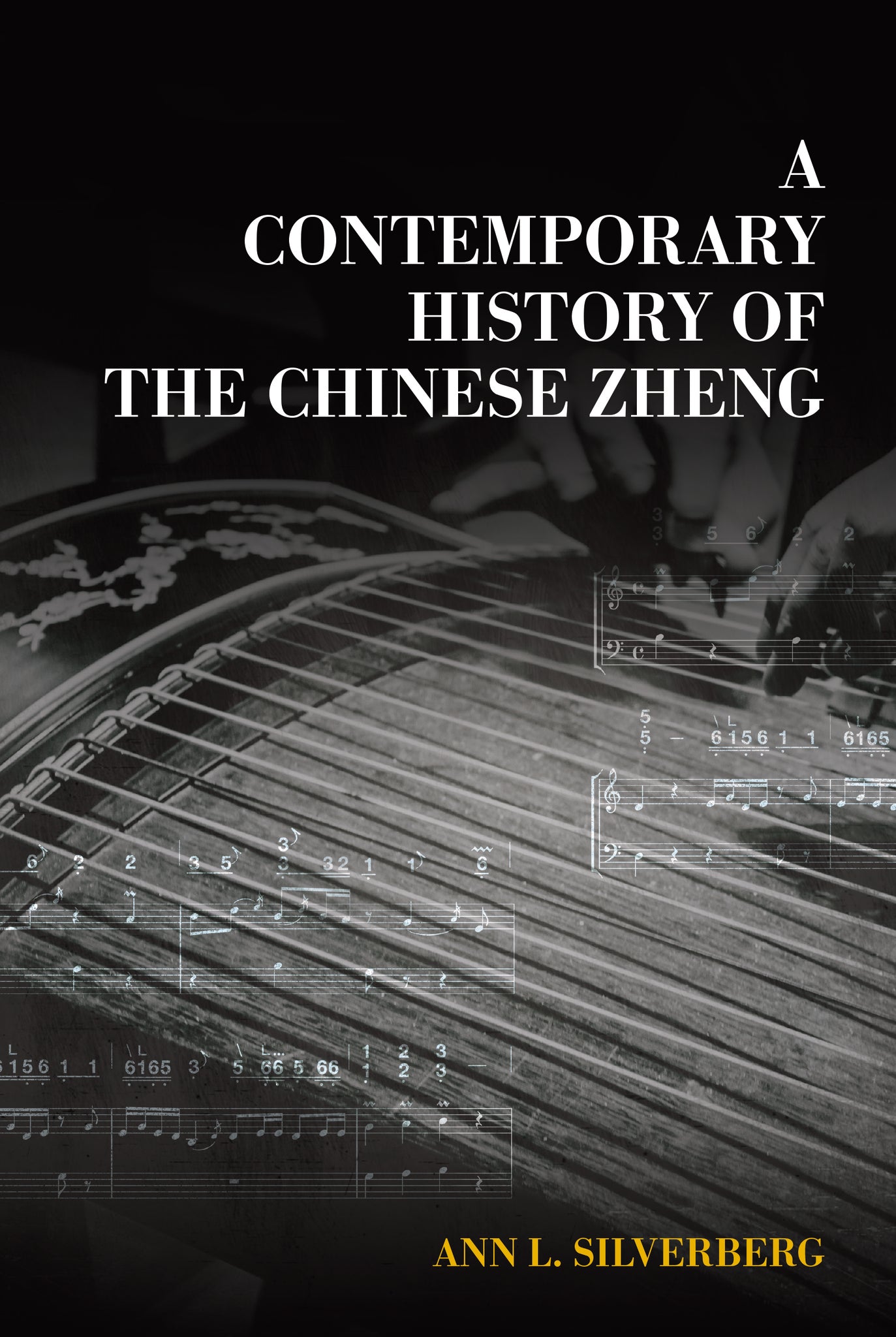
A Contemporary History of the Chinese Zheng traces the twentieth- and twenty-first-century development of an important Chinese musical instrument in greater China.The zheng was transformed over the course of the twentieth century, becoming a solo instrument with virtuosic capacity. In the past, the zheng had appeared in small instrumental ensembles and supplied improvised accompaniments to song. Zheng music became a means of nation-building and was eventually promoted as a marker of Chinese identity in Hong Kong. Ann L. Silverberg uses evidence from the greater China area to show how the narrative history of the zheng created on the mainland did not represent zheng music as it had been in the past. Silverberg ultimately argues that the zheng’s older repertory was poorly represented by efforts to collect and promote zheng music in the twentieth century. This book contends that the restored “traditional Chinese music” created and promulgated from the 1920s forward—and solo zheng music in particular—is a hybrid of “Chinese essence, Western means” that essentially obscures rather than reveals tradition.

Price: £66.00
Pages: 252
Publisher: Hong Kong University Press
Imprint: Hong Kong University Press
Publication Date:
15 December 2022
Trim Size: 9.00 X 6.00 in
ISBN: 9789888754342
Format: Hardcover
BISACs:

“Ann Silverberg’s book provides a history of the Chinese zheng zither, with a focus on the rise of solo music since the mid-twentieth century across the three sites of mainland China, Hong Kong, and Taiwan. Existing English-language studies mostly omit consideration of Hong Kong and Taiwan, so this account enriches current perspectives on the multiplicities of Chinese musical history and identity.”
—Jonathan Stock, University College Cork, Ireland