





Some error occured while loading the Quick View. Please close the Quick View and try reloading the page.
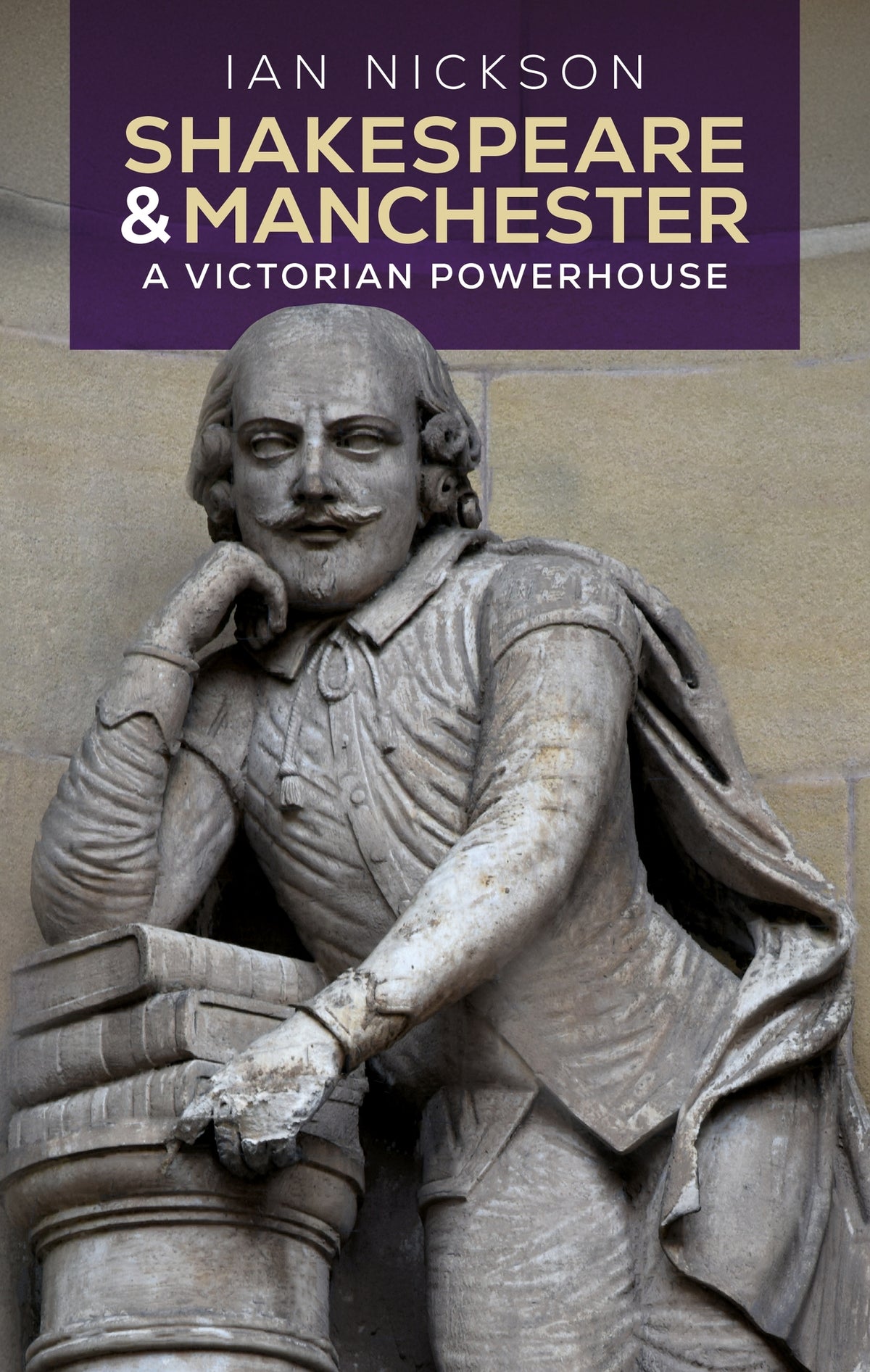
This engagingly written book provides the first comprehensive explanation of Manchester’s innovative and enduring contributions to the development of Shakespearean theatre in the nineteenth century. Beyond repairing this gap in theatre history, it documents Manchester’s collective adoption of Shakespeare’s works as a means of providing moral guidance to the world’s first industrial city and of achieving political change through non-violent means.
This account of Manchester’s reciprocal engagement with Shakespeare, situated within Victorian cultural, social, political and economic trends, is told through the careers of seven people – John Knowles, George Dawson, Charles Calvert, Henry Irving, Alfred Darbyshire, Bishop James Fraser and Rosa Grindon.
Both a theatrical and a cultural history, it examines the makers of an urban, libertarian, Mancunian Shakespeare using hitherto unexplored primary sources, principally a rich trove of digitised newspapers.


Introduction
1 John Knowles - from stagecoach to stagecraft
2 Charles Calvert and the saving of Henry Irving
3 The invention of Mancunian Shakespeare
4 Mancunian Shakespeare on the world stage
5 Shakespeare and religion: George Dawson and his Civic Gospel
6 Shakespeare and religion: Calvert’s Henry VIII and Bishop James Fraser
7 The actor and the architect
8 Mancunian Shakespeare after Calvert
9 Rosa Grindon - a Shakespearean visionary
Conclusion - Mancunian Shakespeare today
General notes
Bibliography
Promptbooks
Index