





Some error occured while loading the Quick View. Please close the Quick View and try reloading the page.


CHOICE: Recommended
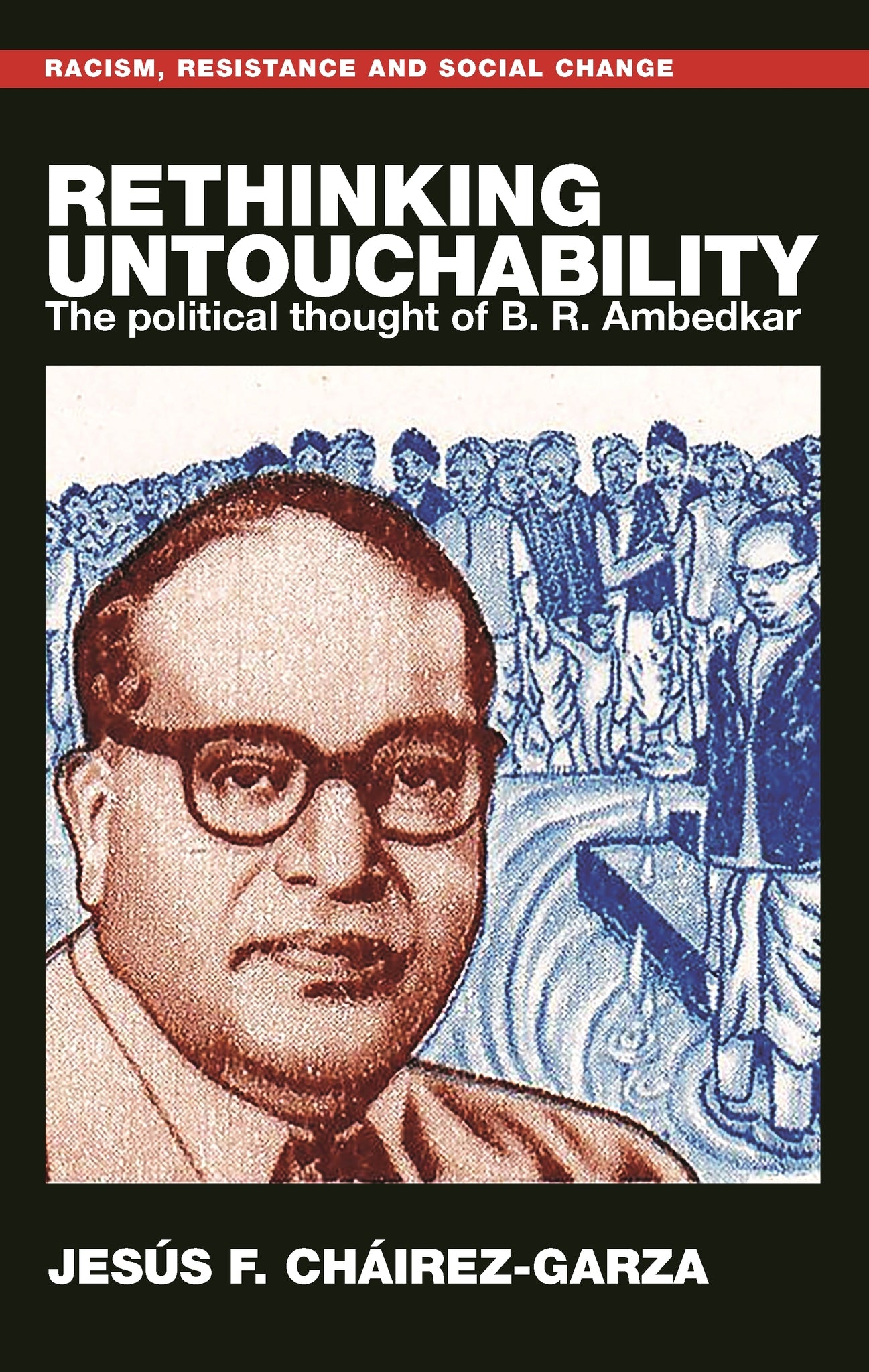
'Jesus F. Cháirez-Garza’s extraordinary study of B R Ambedkar is the first extended work situating his oeuvre and career in the context early 20th Century political thought. Rethinking Untouchability gives us a clear sense of how and why Ambedkar’s thought should be taken seriously not just in India, but in relation to a range of other contexts. Rather than simply examining Ambedkar’s work in terms of advocacy for India’s most oppressed communities, Cháirez-Garza shows how his development of the category of ‘untouchability’ related to frameworks of race, space and debates with India’s political left. Connecting to a range of political, anthropological and sociological theorists including Boas and Dewey, Cháirez-Garza shows how Ambedkar framed his followers’ oppression as contingent and adaptable. As a history of political thought, Rethinking Untouchability is a tour de force, requiring us to take Ambedkar seriously in explorations of inequality and injustice both within India and beyond.'
Professor William Gould, University of Leeds
Introduction
1 A politics of ventriloquism: The politicisation of untouchability in late colonial India circa 1900-1930
2 Fighting inferiority: Ambedkar, Franz Boas and the rejection of racial theories of untouchability
3 Touching freedom: Ambedkar, untouchability and liberty in late colonial India
4 Touching space: The village, the nation and the spatial features of untouchability
5 Ambedkar and the Left: Theory and praxis
6 Nobody’s people: Pakistan and the erasure of untouchable politics
7 The Internationalisation of untouchability circa 1939-47
Conclusion
Index