





Some error occured while loading the Quick View. Please close the Quick View and try reloading the page.
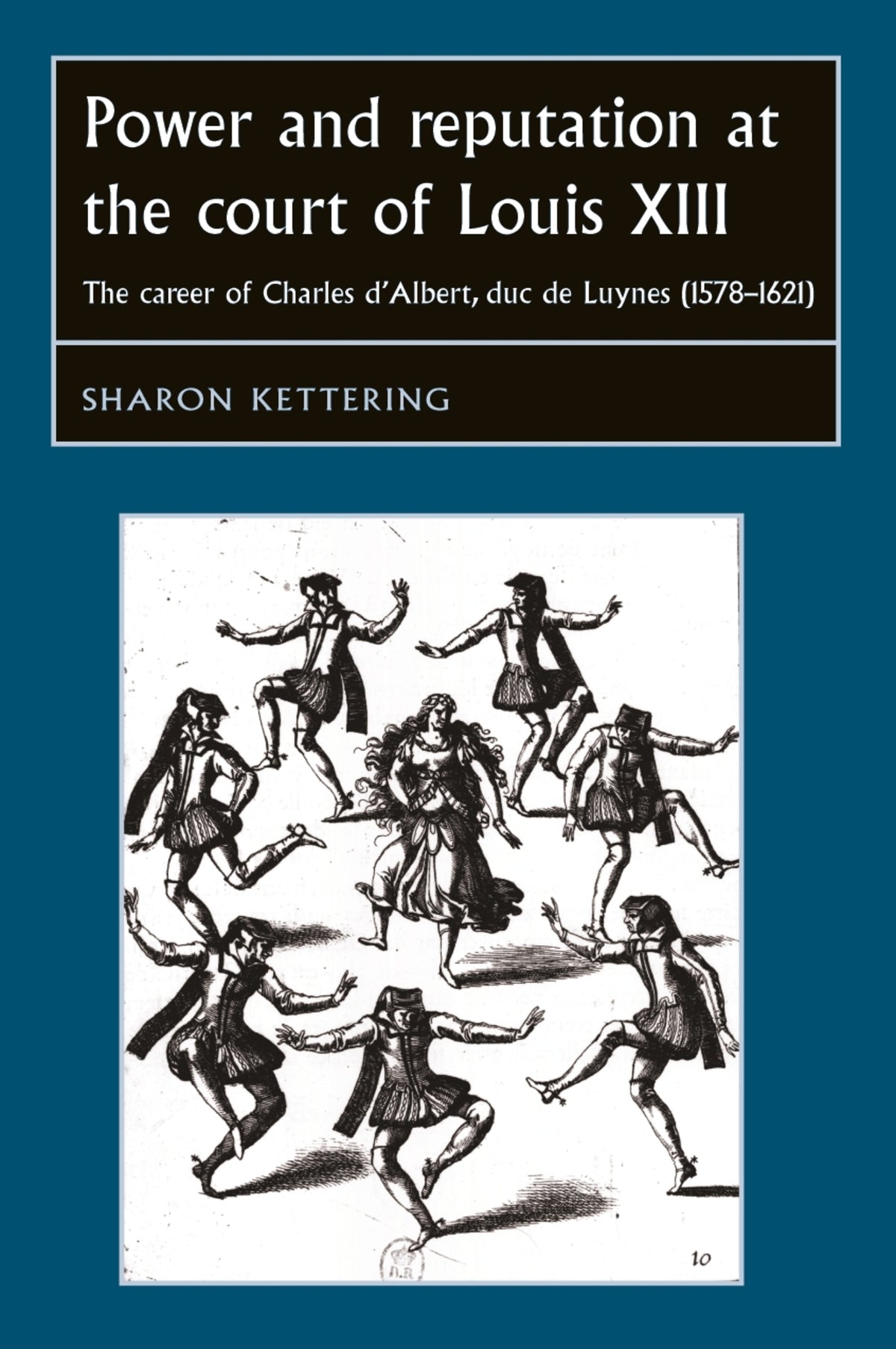
This book seeks to rehabilitate the reputation of Charles d'Albert, duc de Luynes, the controversial favourite of Louis XIII often maligned by historians. Kettering argues that the traditional historical interpretation of Luynes is significantly influenced by the testimony of Richelieu, who subjected Luynes to a devastating character assassination in his memoirs.
Richelieu’s malice and the bias in histories based upon his memoirs justify another look at Luynes’ career. This book sifts through the historical evidence to offer a new perspective on Luynes, arguing that his contributions to the early years of Louis XIII’s government have been insufficiently appreciated, and in the process throws light upon a dark, unpleasant corner of Richelieu’s personality often ignored by historians.
As well as advanced students and historians of early modern France, this book should interest those specialising in the history of the European courts, power politics, patronage and printed pamphlet literature.


Introduction: Luynes and the historians
1. A falconer from the Comtat
2. The king’s favorite
3. Concini’s murder
4. The rewards of favor
5. Friends of the favorite
6. Luynes and the court nobility
7. Luynes the minister
8. The siege of Montauban
9. The anti-Luynes campaign
Conclusion: Death of a favorite
Select bibliography
Index