





Some error occured while loading the Quick View. Please close the Quick View and try reloading the page.
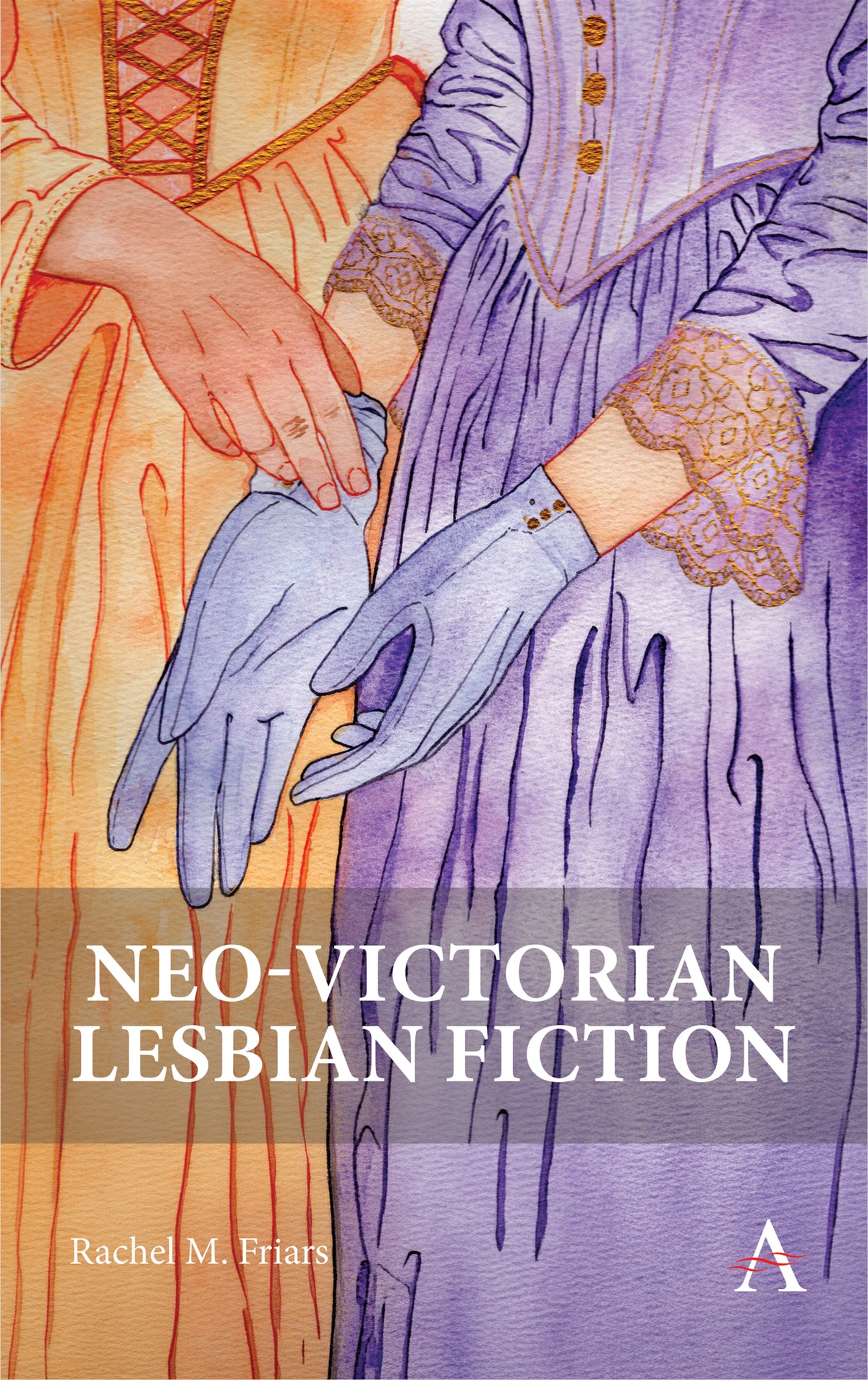
Explores how neo-Victorian lesbian fiction reinterprets the nineteenth century to recover queer histories and reimagine lesbian subjectivity, visibility, and belonging.
Lesbians have long had an affinity with historical fiction. In response to the silences of the archive, which can be conceived of as implicitly governed by social structures predicated on heterosexuality—marriage, the law, religion, and so on—writers have directed their attention toward an imagined history that places the lesbian at the center of their narratives. The nineteenth century proves to be a period in which the lesbian’s presence is particularly fraught; her existence is alternately available to us through shadowed archival speculation, private diaries, or medical and pornographic stigmatization, but she is invisible through the same means since those sources either mitigate or fragment the lesbian in the historical record. Friars argues that neo-Victorian fictions characterize the queer woman as a complex subject whose survival and flourishing social power is essential for the recognition and reclamation of history. Neo-Victorian lesbian texts look back to the past with a reflective, critical focus in order to interrogate the nineteenth century’s sociopolitical crises; race and empire, class, and sexuality have been the focus of writers of historical fiction as a way of illuminating current preoccupations with these issues.


Rachel M. Friars, PhD, is an independent scholar in Sussex, New Brunswick, Canada.