





Some error occured while loading the Quick View. Please close the Quick View and try reloading the page.
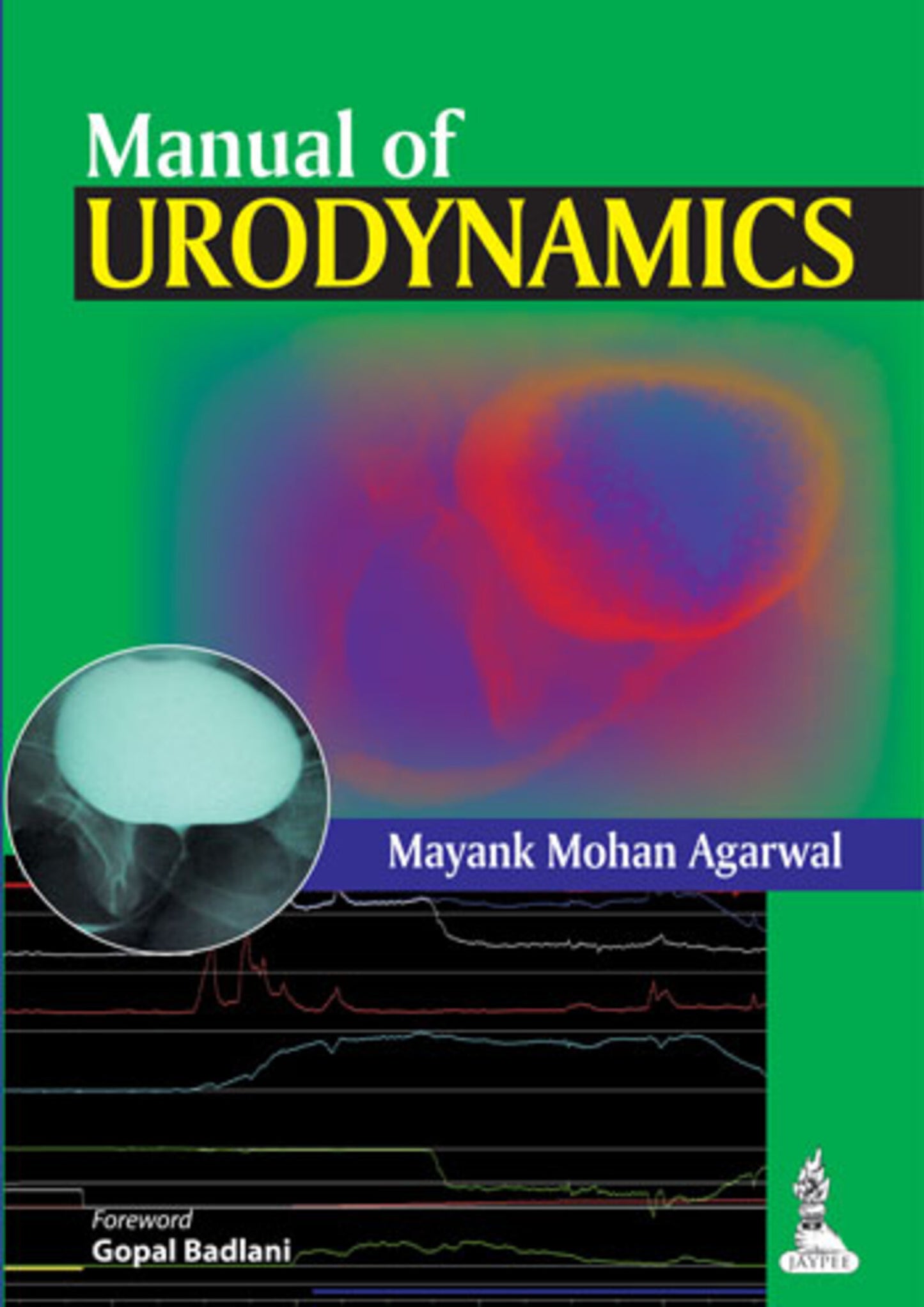
Urodynamics is the investigation of the function of the lower urinary tract – the bladder and urethra – using physical measurements, such as urine pressure and flow rate as well as clinical assessment (netdoctor).
This book is a concise guide to urodynamics (UDS) for trainee urologists. Beginning with an introduction to the anatomy and physiology of the lower urinary tract, the next section discusses clinical assessment which begins with a medical history and examination – which may reveal abnormalities within the lower abdomen or pelvis that are contributing to the lower urinary tract symptoms. The patient is then given a urination (voiding) diary to be kept for three days, to document their fluid intake and output, including episodes of incontinence (netdoctor).
Each of the following chapters examines a different UDS test and its interpretation. The final sections describe representative clinical cases, and reporting on urodynamics.
Key points
- Concise guide to urodynamics (UDS) for trainee urologists
- Detailed coverage of clinical assessment and different UDS tests
- Includes chapter on representative clinical cases
- Features more than 75 images and illustrations


Mayank Mohan Agarwal MBBS MS (Surg) DNB (Surg) MRCS (Ed) MCh (Urol) DNB (Urol)
Assistant Professor of Urology, Postgraduate Institute of Medical Education and Research, Chandigarh, India; Urology Specialist, New Medical Centre Specialty Hospital, Abu Dhabi, UAE
- Anatomy and Physiology of the Lower Urinary Tract
- Clinical Assessment of a Patient with Lower Urinary Tract Symptoms
- Uroflowmetry
- Cystometry and Pressure-flow Study
- Video Urodynamics
- Urethral Pressure Profilometry (UPP)
- Ambulatory UDS
- Whitaker Test
- Representative Case Discussion
- Reporting Urodynamics