





Some error occured while loading the Quick View. Please close the Quick View and try reloading the page.
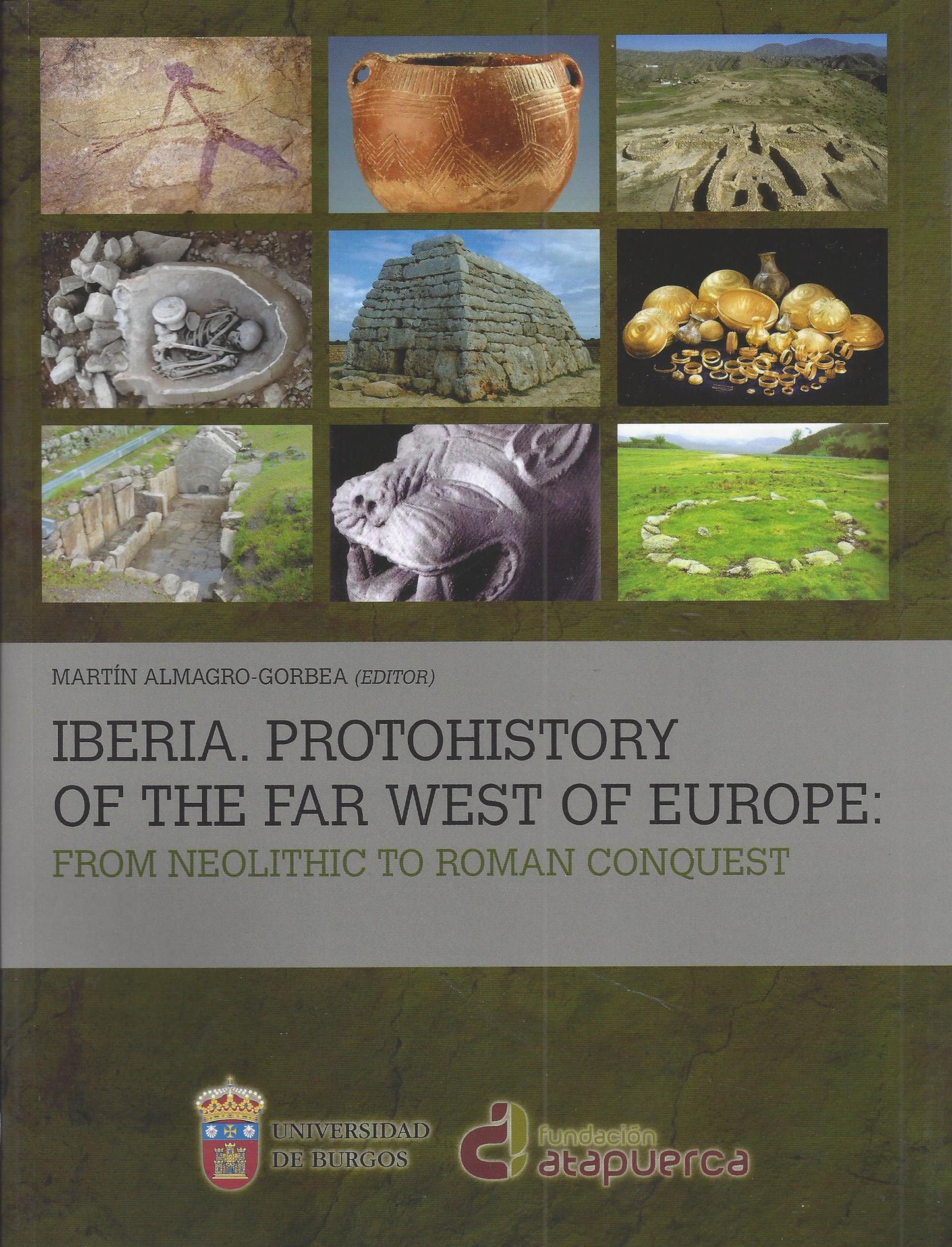
This is an updated, innovative view of the last six millennia BCE in the Iberian Peninsula: the last land in Eurasia and the "Far West" of the Old World. Its diversity of lands, soils, climates and external contacts resulted in a wide variety of cultures, as if it were a micro-continent.
This book is divided into three parts: the Neolithic and Chalcolithic; the Bronze Age on Mediterranean and Atlantic coasts; and the Iron Age as an affirmation of the urban life that culminated in Romanization. Structured in 15 chapters, authored by leading specialists, it is a modern and dynamic summary written with the perspective of the future and multi-disciplinary methodology. The book covers all aspects of the different cultures and peoples who formed the complex mosaic of protohistory in the Iberian Peninsula, from the latest archaeological discoveries to new research on technology, economy, society, religion, ideology, linguistics, oral traditions reflected in iconography, and palaeo-genetics based on DNA. 211 illustrations, almost 200 in colour.


‘… the first general synthesis in English (simultaneously published in Spanish) to cover the whole timespan from the earliest Neolithic to the Roman conquest. […] The general editor of the volume, Martin Almagro-Goreba, has been one of the leading scholars of Iberian prehistory in recent decades.
‘In summary, this is a remarkable volume that makes the late prehistory of the Iberian Peninsula accessible to a wide international readership. The abundant colour figures, in particular, help to illustrate the archaeology of the far west of Europe, making it closer than ever before. Highly recommended.’
Introduction
Neolithic and Chalcolithic: Towards complex societies
Bronze Age: The complex societies
Iron Age: The final process to urban life
Bibliography