





Some error occured while loading the Quick View. Please close the Quick View and try reloading the page.
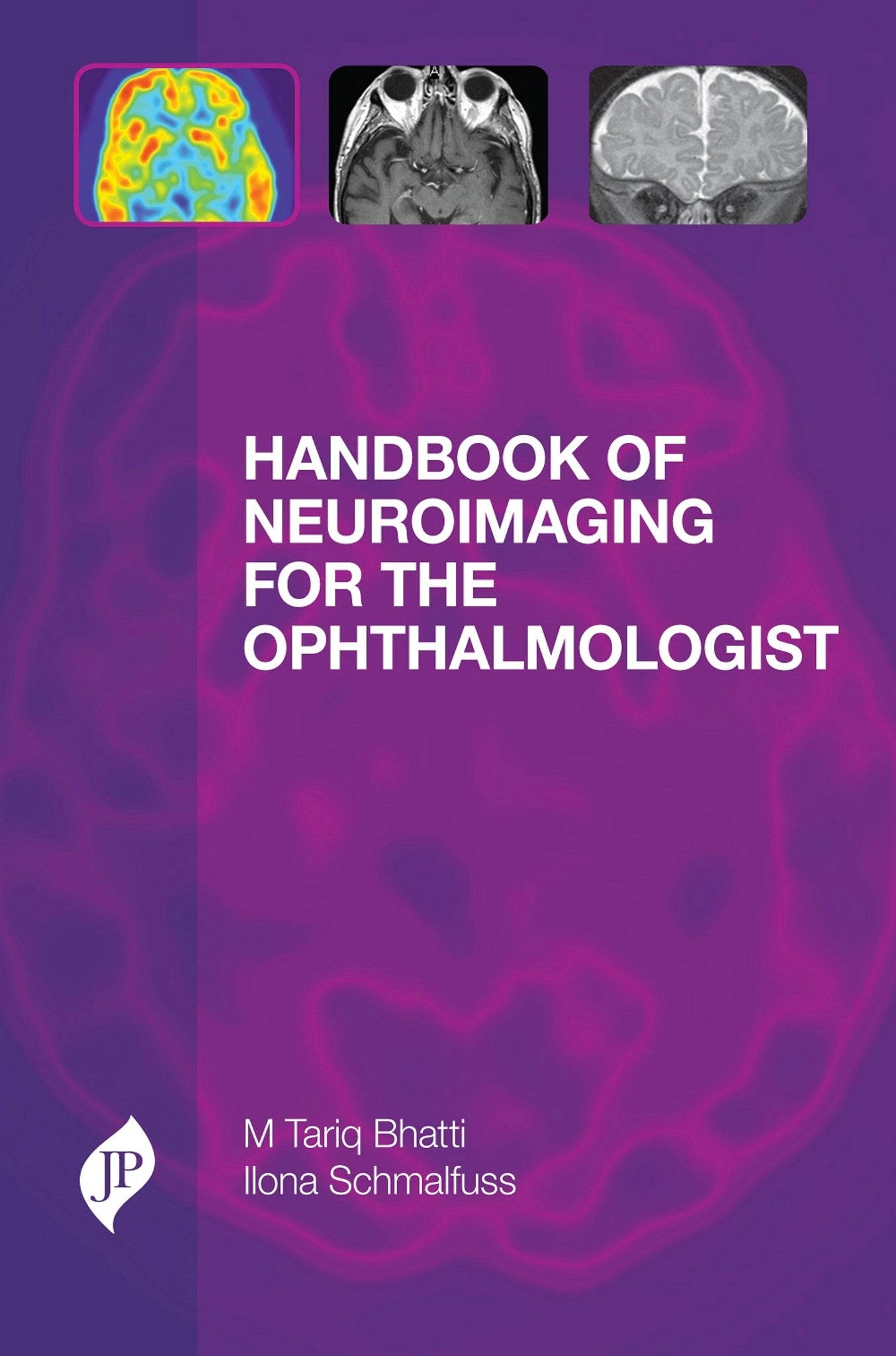
Neuroimaging plays a critical part in the evaluation of disorders of the eye, orbit and visual pathways. CT and MRI are the key imaging modalities and it is essential for the ophthalmologist to understand the scope and limitations of these techniques. This practical book covers the basics of CT and MR imaging, selection criteria, and interpretation of the findings, all exemplified with case presentations.
Key Points
- Provides a basic understanding of the role of MRI and CT in the diagnosis of neuro-ophthalmic disorders
- Guides the ophthalmologist through the selection and interpretation of diagnostic imaging techniques
- Uses case presentations to highlight pearls and pitfalls


M Tariq Bhatti MD
Associate Professor of Ophthalmology and Medicine
Duke Eye Center and Duke University Medical Center
Durham, NC, USA
Ilona Schmalfuss MD
Assistant Professor of Radiology
University of Florida College of Medicine
Staff Radiologist
Malcolm Randall VA Medical Center
Gainesville, Florida, US
- Introduction
- Basic Principles of CT and MRI
- Visual pathway disorders
- Leucocoria and intra-ocular disorders
- Orbital disorders
- Papilledema
- CN III, IV and VI palsy
- Nystagmus, supranuclear and internuclear disorders
- Pupil disorders
- Facial nerve disorders
- Headache, eye and facial pain disorders
- MR and CT protocols