





Some error occured while loading the Quick View. Please close the Quick View and try reloading the page.
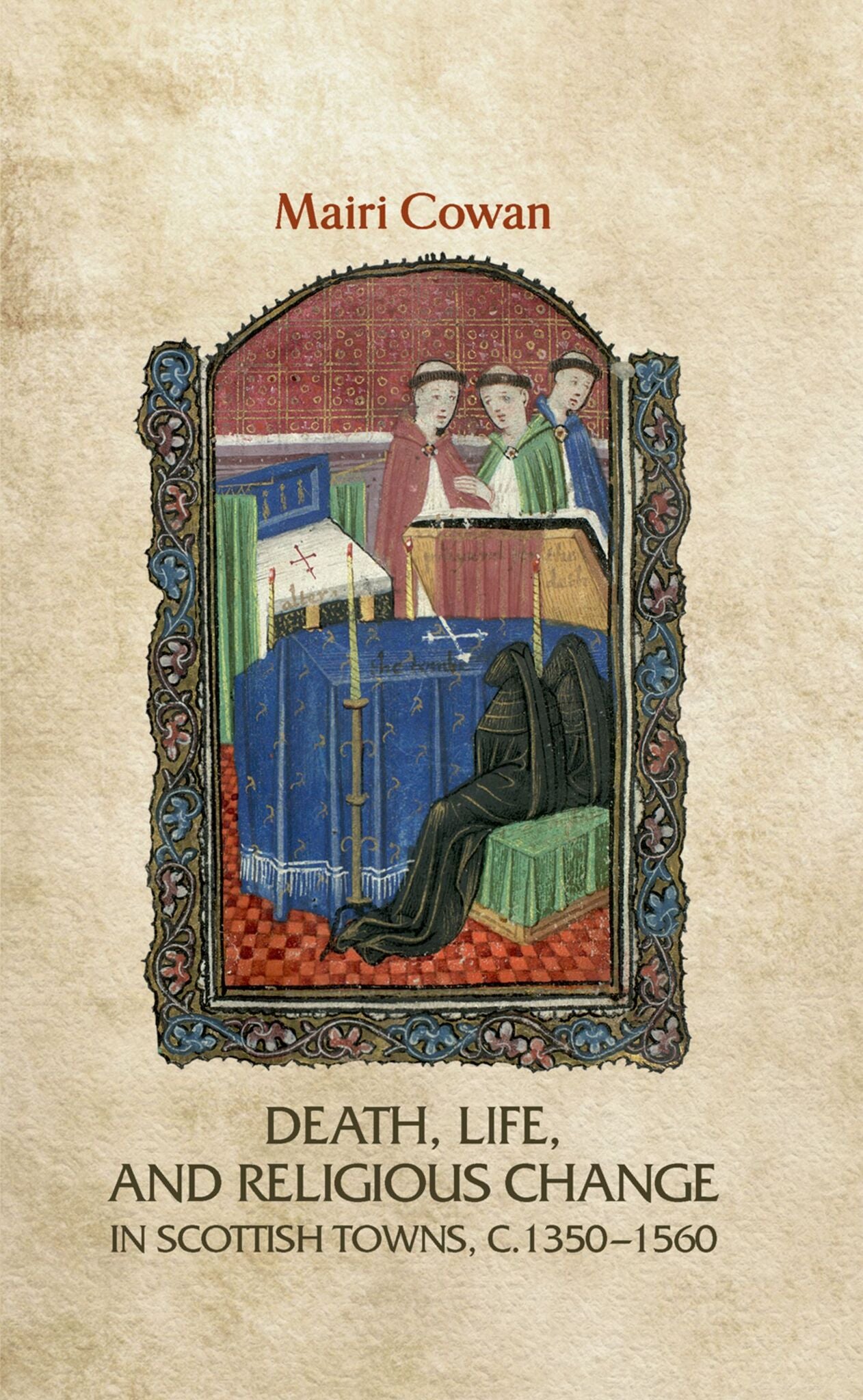


Cowan’s arguments in favour of Catholic Reformation, as she asserts, is “go against the grain of Scottish historiography”. They certainly challenge stereotypical interpretations about intransigence and reaction. In its presentation of what is familiar in a case study that largely conforms to larger outlines, as well as what is off the beaten track for so much sixteenth-century historiography, she offers a compelling example of how a (Toronto) dissertation can become a book well deserving a wide readership.'
Any student of medieval religion will welcome this thorough analysis of Christian belief in late medieval / early modern Scotland.
In a highly readable book, Mairi Cowan explores the religious culture of Scottish towns in the period between the Black Death and the Scottish Reformation.
Dr Cowan has written a richly detailed, engaging study that successfully integrates the Scottish experience into our broader understanding of late medieval religious culture.
Introduction
Part I: Lamenting the dead
1. How the living influenced the dead
2. How the dead influenced the living
Part II: Summoning the living
3. Communities of religion
4. The individual in the community
Part III: Subduing thunderbolts
5. Religious dissent
6. Catholic reform
Conclusion
Bibliography
Index