





Some error occured while loading the Quick View. Please close the Quick View and try reloading the page.
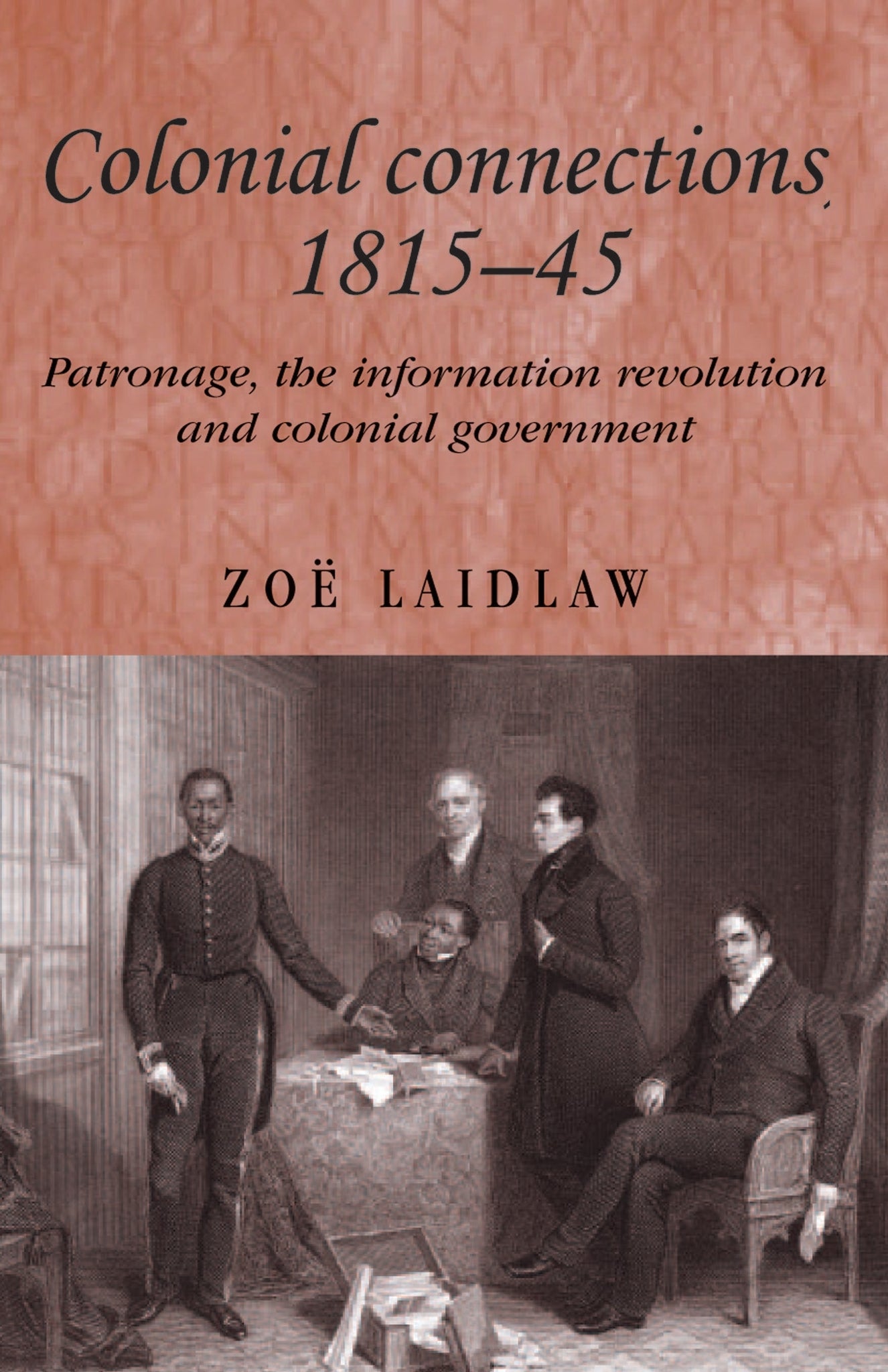
This groundbreaking book challenges standard interpretations of metropolitan strategies of rule in the early nineteenth century. After the Napoleonic wars, the British government ruled a more diverse empire than ever before, and the Colonial Office responded by cultivating strong personal links with governors and colonial officials through which influence, patronage and information could flow. By the 1830s the conviction that personal connections were the best way of exerting influence within the imperial sphere went well beyond the metropolitan government.
This book challenges traditional notions of a radical revolution in government, identifying a more profound and general transition from a metropolitan reliance on gossip and personal information to the embrace of new statistical forms of knowledge. The analysis moves between London, New South Wales and the Cape Colony, encompassing both government insiders and those who struggled against colonial and imperial governments.


1. Introduction
I - Metropolitan concerns
2. Networking the Empire
3. Asserting metropolitan control: the Colonial Office 1815–36
II - Colonial struggles
4. The isolation of governors
5. Traffic: the unofficial correspondence of colonial officials
6. Colonial lobbyists: tactics and networks
III - Agendas for imperial reform
7. An information revolution
8. Conclusion
Appendices
Bibliography
Index