





Some error occured while loading the Quick View. Please close the Quick View and try reloading the page.
Impulsivity, poor judgment, moodiness, risky behavior. "You don't understand." "I don't care." "Whatever, bro." Engaging and working with teenagers is tough. Typically, we attribute this to the storms of adolescence. But what if some of the particularly problematic behaviors we see in teens – self-destructive behaviors, academic issues, substance abuse, reluctance to engage in therapy or treatment – point to unspoken trauma?
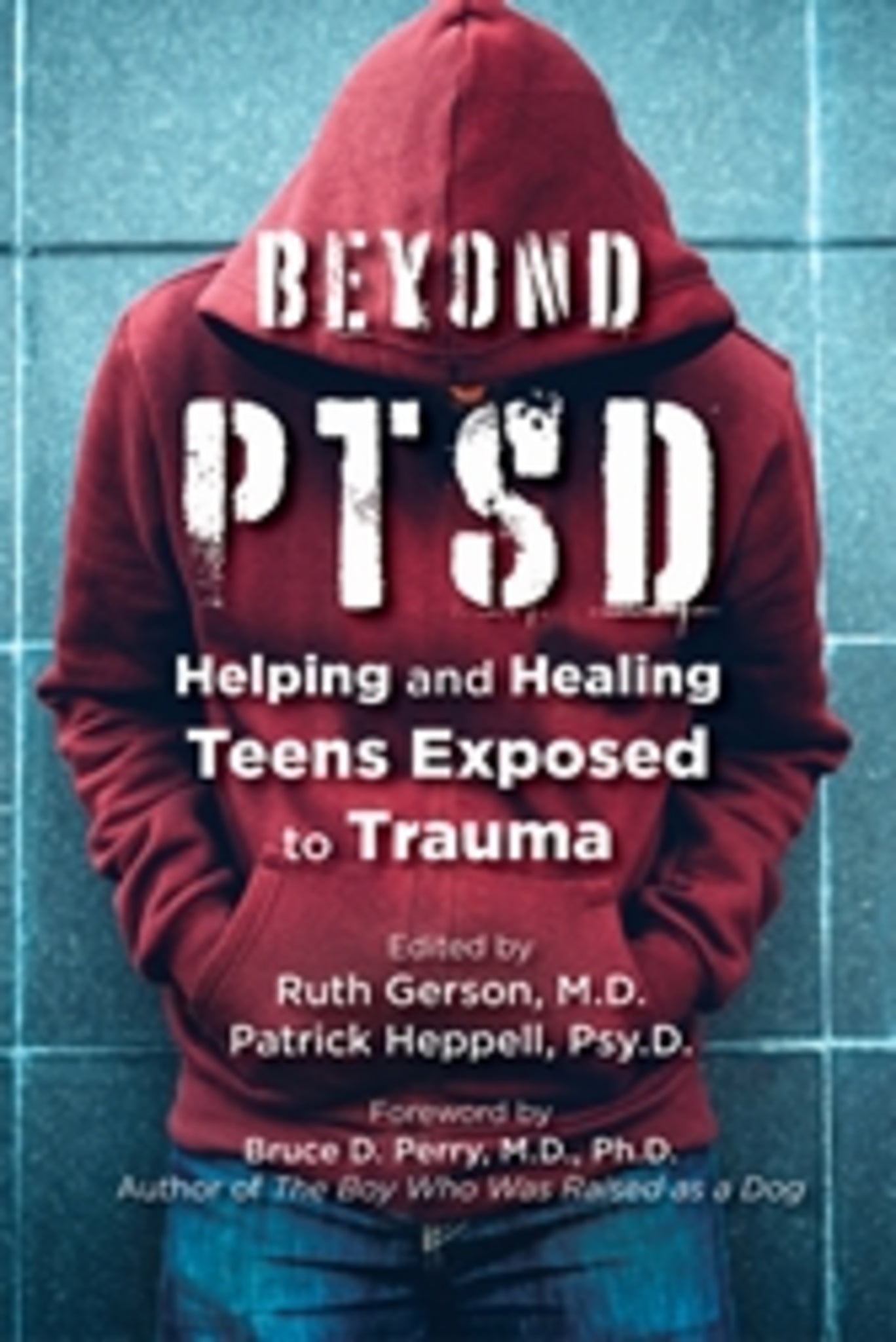
Teens nationwide struggle with traumatic stress related to poverty, abuse, neglect, bullying, traumatic loss, and interpersonal or community violence. But youth are also generally reluctant to disclose or discuss experiences of traumatic stress, and adults working with these youth may not immediately perceive the connection between prior trauma and the teen's current risky or concerning behavior. Beyond PTSD: Helping and Healing Teens Exposed to Trauma helps adults recognize and understand traumatized youth, and provides concrete strategies for talking to and engaging the teen, overcoming resistance, and finding the most appropriate evidence-based treatment approach for them.
Nearly twenty contributors pull from their extensive and varied experience working in schools and hospitals to child welfare programs, juvenile justice facilities, pediatric offices, and with families to provide concrete tips to manage the challenges and opportunities of working with trauma-exposed adolescents. Chapters present trauma-informed approaches to youth with aggression, suicide and self-injury, psychosis, and school refusal; youth with physical or developmental disabilities or medical comorbidities, those in juvenile justice or child welfare; teen parents; and LGBTQ youth, among others.
Throughout the text, tables compare different types of trauma therapies and provide information about how treatments might be adapted to fit a specific teen or setting. Readers will also find "real life" case vignettes and concrete, specific clinical pearls—even examples of language to use—to demonstrate how to work effectively with difficult-to-engage teens with complex symptoms and behaviors.
Written to be practical and accessible for clinicians, social workers, pediatricians, school counselors, and even parents, with the information, context, and strategies they need to help the teen in front of them.


Ruth Gerson, M.D., is Assistant Professor in the Department of Child and Adolescent Psychiatry and Associate Director of Child and Adolescent Telepsychiatry at NYU School of Medicine; and Director of the Children's Comprehensive Psychiatric Emergency Program at Bellevue Hospital in New York, New York.
Patrick Heppell, Psy.D., is Clinical Assistant Professor in the Department of Child and Adolescent Psychiatry at NYU School of Medicine in New York, New York.
Contributors
Foreword
Chapter 1. Teens and
Traumatic Stress: A Toxic Combination
Chapter 2. Recognition and
Treatment
Part 1: Working With Symptoms of Traumatic Stress
Chapter
3. Aggression
Chapter 4. Suicide and Self-Injury
Chapter 5. Risky
Behavior and Substance Use
Chapter 6. School Refusal and Other
Behavioral and Academic Problems at School
Chapter 7. Trauma and
Psychosis
Chapter 8. Implications of Trauma For Sexual and Reproductive
Health in Adolescence
Chapter 9. Trauma and Teens With Developmental
and Physical Disabilities
Part 2: Working With Systems and Traumatic
Stress
Chapter 10. Acute Psychiatric Services
Chapter 11. School
Systems and Trauma
Chapter 12. Child Welfare and Juvenile
Justice
Chapter 13. Medical Providers
Chapter 14. Families and
Caregivers Caring for Teens Exposed to Traumatic Stress
Chapter 15.
Advocacy and Systems Change: Making Services Work for Youth Exposed to
Trauma and Their Families
Index