





Some error occured while loading the Quick View. Please close the Quick View and try reloading the page.
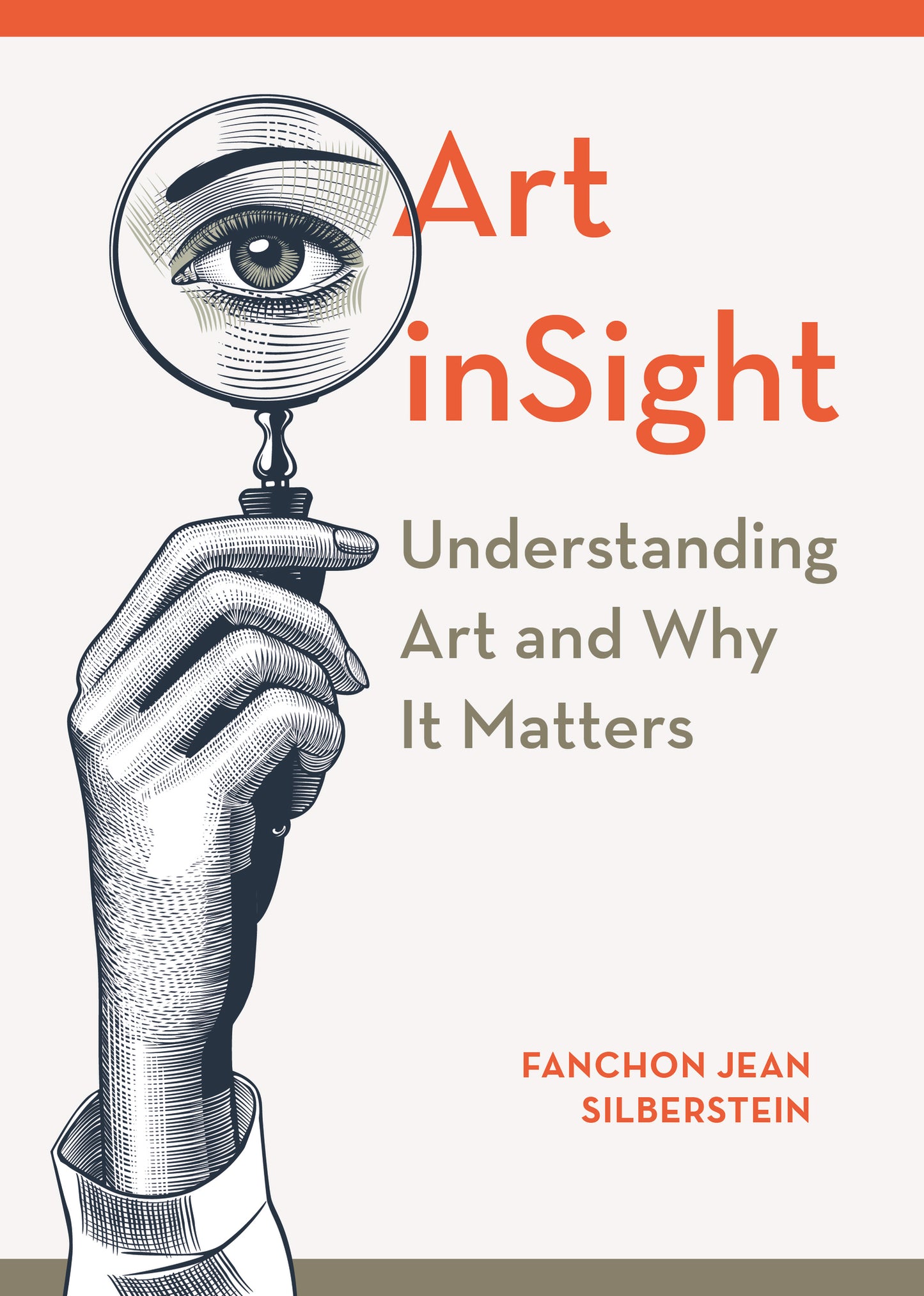
A first encounter with art is like meeting a stranger: it opens you to new ideas, people, places and parts of yourself. In Art inSight: Understanding Art and Why It Matters, Fanchon Silberstein delves into the first known art and explores what it can reveal about how its makers saw the world and how contemporary artists can help us to see our own. The result is equal parts an ode to the joy of artful engagement, a how-to for anyone interested in understanding art and culture and a journey around the world from prehistory to the present day. Readers confront strangeness through observation, description and conversation, and are given the skills to understand cross-cultural divisions and perceive diverse ways of interpreting the world.
Organized by ideas rather than history, chronology or cultures, the book presents dialogues, imagining interactions between paintings created centuries apart and describing discussions among students learning the role of art in conflict resolution. By emphasizing the relationship between viewer and image, Art inSight urges readers to discover meaning in their own ways and offers questions that lead them into profound connections with works of art and the cultures behind them.


'This is a thoughtful and deeply personal consideration of what art is and what it can become for those willing to take the time to look, listen, and reflect. As we follow the author on her wide-ranging inquiry into artistic meaning and intention, we become more aware of the dialogue between a maker and a beholder essential to any aesthetic experience. Most importantly, we learn not to be afraid of works of art that defy our expectations – and appreciate how they communicate their messages, even before we can understand them.'
PREFACE
INTRODUCTION
Chapter 1: The ORIGINAL SKYPE
Meet a cave dweller, an African king, an Egyptian pharaoh, a Greek goddess, a Christian saint, and others who let you know who they are and what matters. What would a Roman general and Elvis Presley have to say to one another?
Chapter 2: Figure Things Out
Art is traditional, innovative, noisy, silent, figurative, abstract, pretty, ugly, orderly or messy. Objects change meaning depending on where they are and what is around them. Chairs, windows, animals, people, and trees may show up in unfamiliar places. Understanding grows through dialogue.
Chapter 3: STEP Back to Go Forward
Images from ancient to contemporary art show views of time, nature, human relationships, and more. Artists transform invisible values into visible forms and reveal ways people and cultures make sense of their worlds.
Chapter 4: WHOSE LENS?
Labels and headlines lead you to expect certain ideas. Artists use their perspectives to manage yours. Your tastes, opinions, prejudices, and past experiences affect what you see. When you are alert to the difference between projecting and receiving, you can move from sight to insight.
Chapter 5: ART IN DIALOGUE
Paintings from 16th century Iran and 20th century America talk to one another. They learn what is important to each by asking questions and modelling open-hearted dialogue. They see how artists in both cultures paint unreal scenes to seek what is real.
Chapter 6: The CAPTURE
Students in communication and mediators in training meet modern art at the Hirshhorn Museum. They ask one another what they see and answer by describing. They discuss each others’ perceptions. Successful mediators must be fine observers and excellent listeners.
Chapter 7: QUESTION AND PLAY
Practice overhearing yourself through questions and play. Simple observations lead to complex ideas. Circles and lines make up pictures and provide metaphors in art and in life. Narrow categories limit understanding. Questioning art is a form of intercultural communication.
Chapter 8: Travel
Go to new places through art without suffering culture shock. A bowl, etched with calligraphy, takes you on a journey to Iran, and a soup can goes with you to America. Both are more than their visual forms. Questioning them carries you from surface to depth.
Chapter 9: WHEN ART SPEAKS, LISTEN
Language of all kinds communicates, bewilders, clarifies, and obscures. Become fluent in the language of art and question its colours, materials, and forms - its titles, symbols, archetypes, and frames. “Speaking” the language of art leads to cultural fluency.
Chapter 10: FOLLOW YOUR SENSES - SENSE MEANING
Body and mind work together. Your senses introduce you to art and to the rest of the world. Notice your first reactions, your thoughts and feelings. Then, return to the art by observing and describing. Open yourself to others’ stories.
Chapter 11: MAKE SENSE OF THE SENSELESS
In the wake of the 9/11 attack on the World Trade Centre in New York, artists used small things to confront large ideas. Prayer rugs and cheeseburgers are filled with meaning. Find spiritual beliefs, patriotism, war, sex, and politics, along with fears, loves, desires, and angers.
Chapter 12: IN OTHER WORLDS
In 2010, the world watched the rescue of trapped Chilean coal miners. Artists take you underground to their dark world. Go more deeply into yourself through detailed questions about what you see in places you may never enter except through art.