





Some error occured while loading the Quick View. Please close the Quick View and try reloading the page.
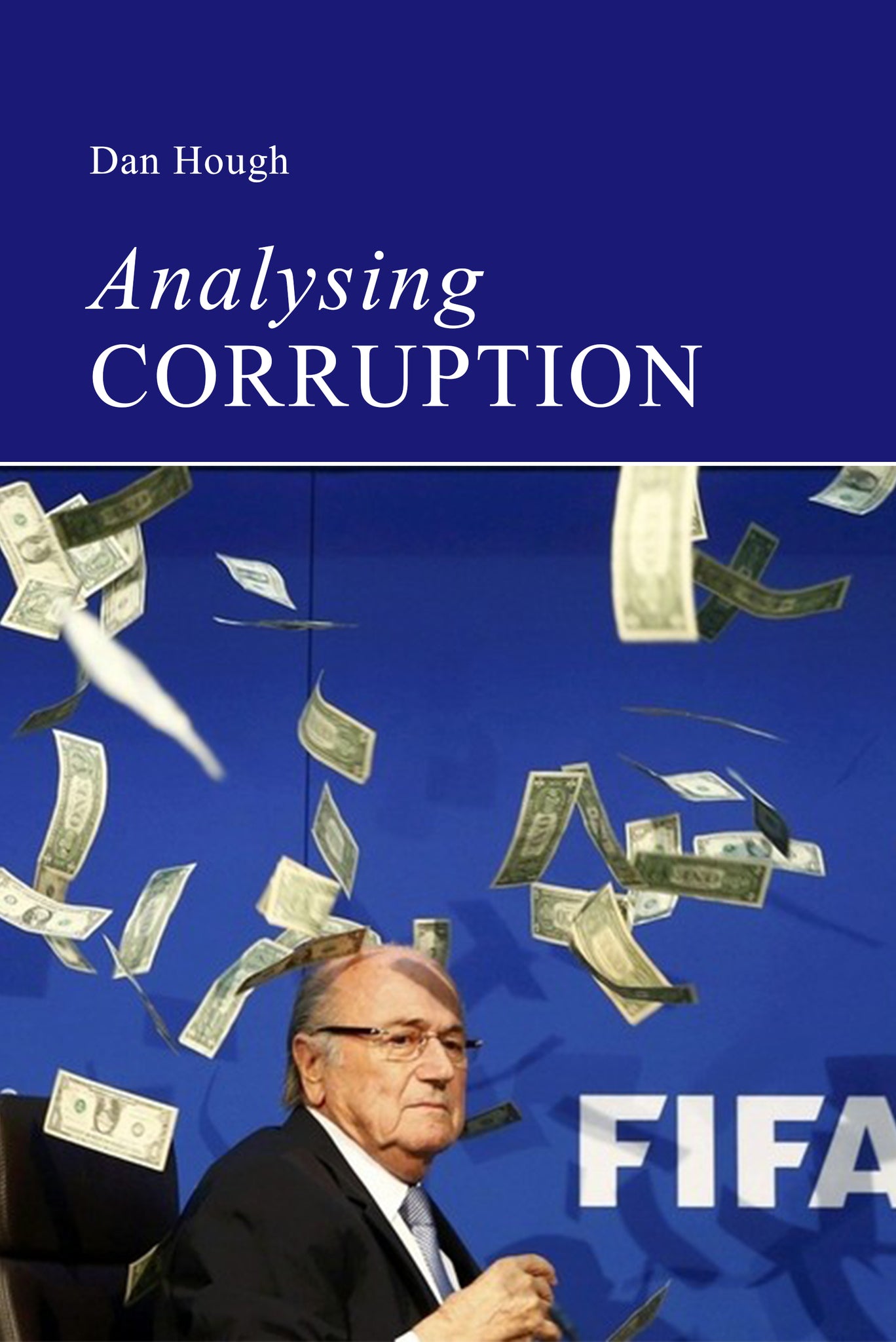
Repeated corruption scandals and the efforts of the international political community to find ways to counteract them have compelled economists, anthropologists and political scientists to confront corruption as a subject for serious academic research. This textbook introduces students to the field of corruption analysis and the challenges facing its researchers.
The book explores the definitional challenges, the problems of measurement and the methodologies that underpin the standard corruption indices. The key drivers of corrupt practice are identified and the arguments used to understand the causes of corruption are outlined. The book looks at what works in the fight against corruption, including international conventions and organizations, and policy initiatives at the national level. The role of third sector organizations, the so-called “anti-corruption industry” and the work of citizen activists and “armchair auditors” are also explored.
Analysing Corruption provides an authoritative and engaging introduction to a subject that is the largest public policy challenge that the state faces in many parts of the world. It is suitable for courses in politics, public policy, public administration, development studies and anthropology. It will also be of value to those working in NGOs and charities helping to shape anti-corruption thinking.


— Bo Rothstein, University of Gothenburg
After almost thirty years' activism and analysis the anti-corruption movement badly needs to step back, take stock of what it has and has not accomplished, and base its next phase upon a frank appraisal of what we have learned. Dan Hough's book provides just that sort of much-needed synthesis, set forth in a style that will make it essential reading for the next generation of students as well as for those now active in the field. The book will be useful not only for its own contents but also as a result of the discussions and debates it is certain to launch.
— Michael Johnston, Charles A. Dana Professor of Political Science, Emeritus, Colgate University
Dan Hough is Professor of Politics at the University of Sussex. He has been a consultant on corruption and anti-corruption issues for the UK government, the Saudi Arabian anti-corruption commission, and the South Korean anti-corruption commission.
1. The Corruption Challenge
2. The History of Corruption Analysis
3. Definitional Challenge
4. The Measurement Challenge
5. Causes of Corruption
6. Business, the Economy and Corruption
7. Tackling Corruption: The International Dimension
8. National Approaches to Tackling Corruption
9. People Power: Citizens, Civil Society and Corruption
10. Conclusion